Call (502) 922-5047
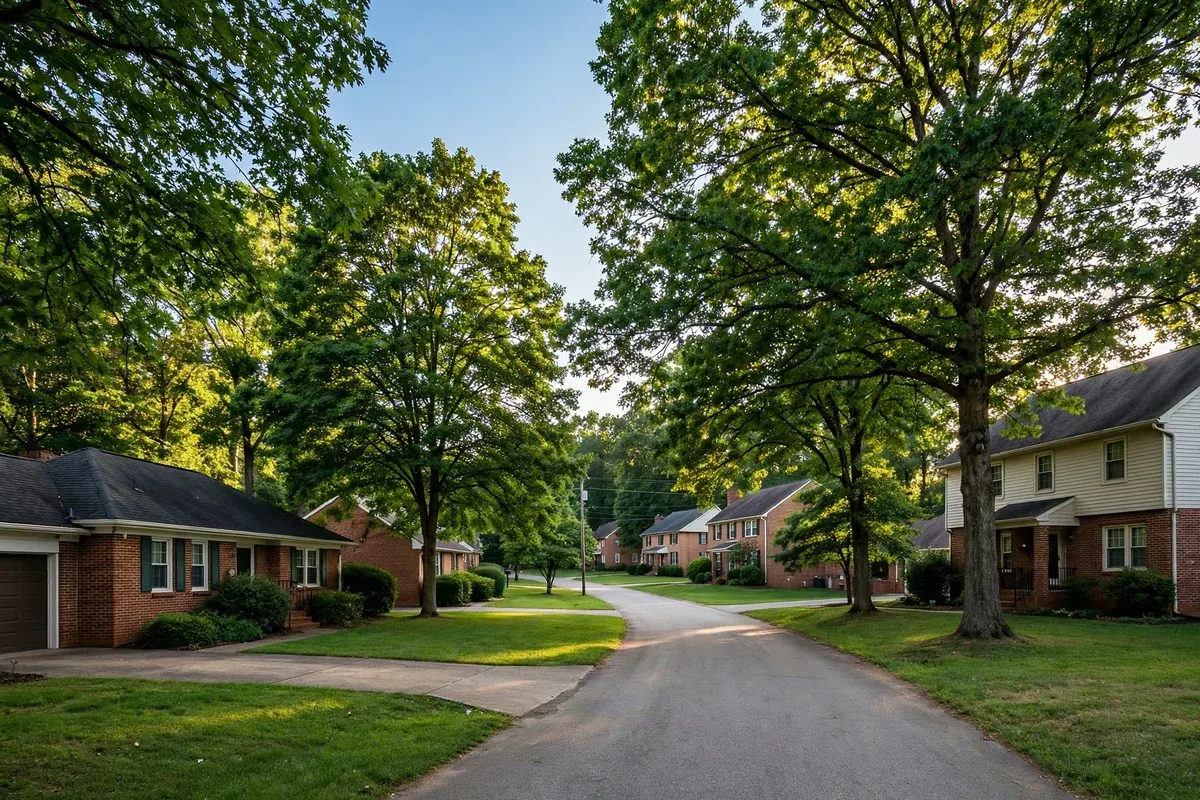
Brick ranch and two-story houses with pitched shingle roofs on a leafy street in Fern Creek, Kentucky

Bardstown Road Roofing

Fern Creek Roof Repair, Replacement, and Inspection by Era

A 1960s ranch off Bardstown Road, a 1990s two-story in Glenmary, and a new build with a walkout basement on Cedar Creek Road can sit within a mile of each other, and each roof fails in its own way. Spring hail is the common thread, and it leaves bruises you can feel with a fingertip long before a stain shows on the ceiling.

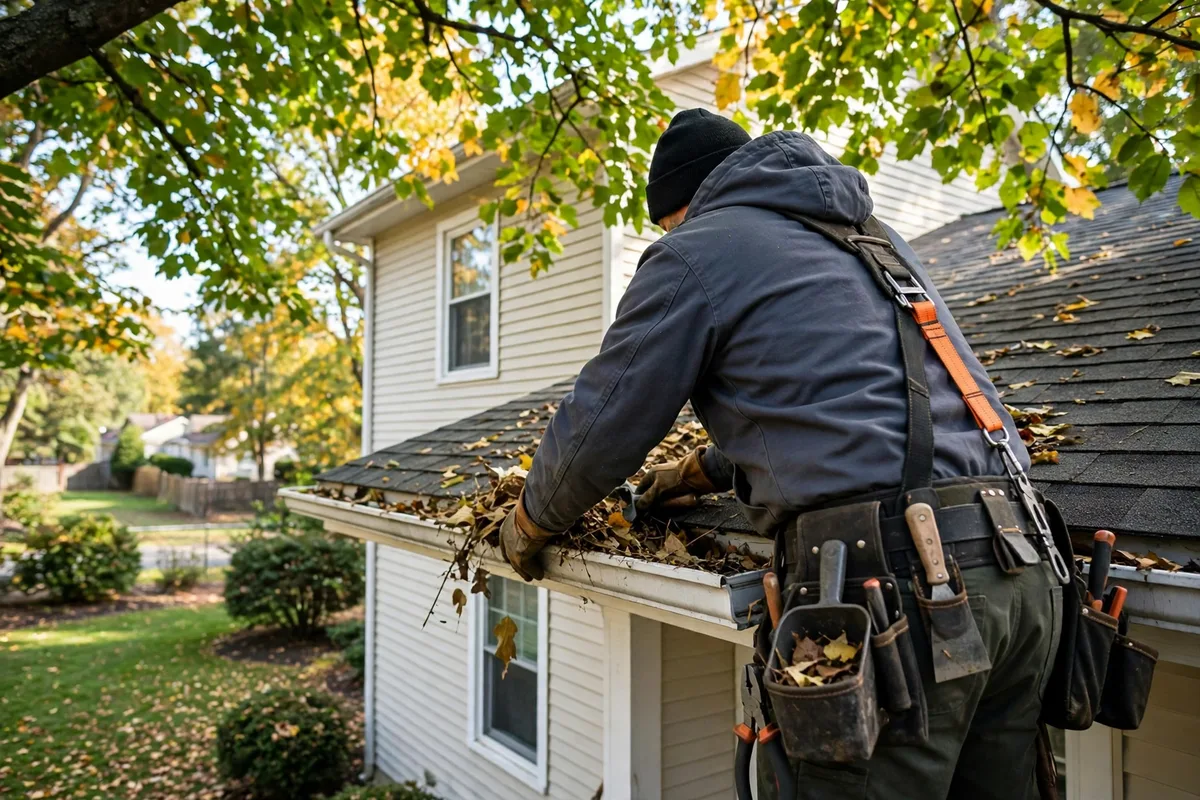
Roofer clearing clogged gutters on a two-story Fern Creek home under mature trees

Homes & roofs

Ranches, two-stories, and sloped-lot builds

Fern Creek housing is unusually legible by era, and the subdivisions show it. Glenmary holds golf-course two-stories from the 1980s and 1990s. Idlewood and the streets near Bardstown Road hold 1960s and 1970s ranches and split-levels. Cedar Creek Road and Billtown Road hold 2000s subdivisions with open floor plans and walkout basements on sloped lots, and new construction is still under way. Fern Creek Park sits on Ferndale Road, McNeely Lake Park and Highview Park sit nearby, and Charlie Vettiner Park holds nearly 300 acres with an 18-hole golf course.

Roof work in Fern Creek follows the decade the house was built. The 1960s ranches are at the point where granule loss, curling tabs, and soft decking near the eaves show across whole slopes, and a replacement is often the honest answer. The 1980s and 1990s two-stories have younger shingles but more valleys, and the valleys collect leaves from the mature trees across the older sections. The 2000s builds on sloped lots need flashing and drainage checked at the lower roof edges, where water runs hardest. Bardstown Road is the commercial spine, with Fern Creek Road, Old Bardstown Road, Beulah Church Road, and Fegenbush Lane carrying the residential traffic.
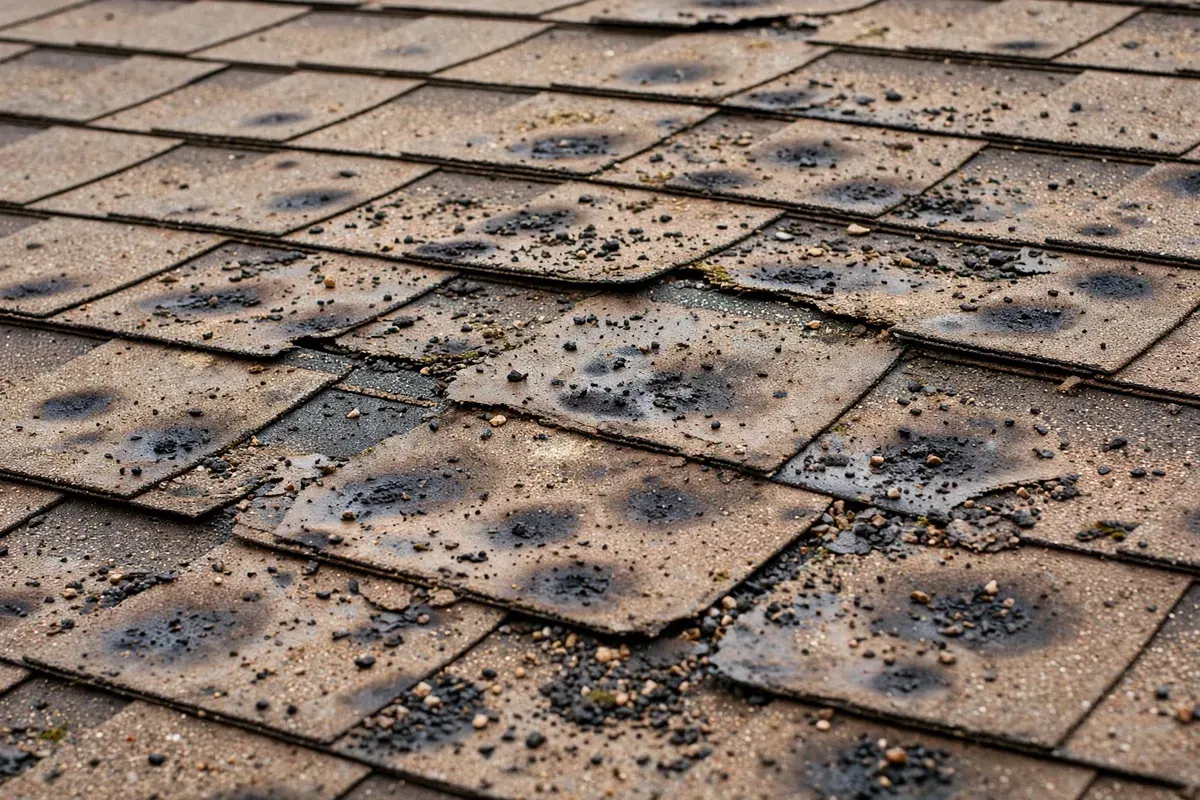
Hail-bruised asphalt shingles with granule loss on a Fern Creek ranch roof

Fern Creek, KY

Three roof generations along Bardstown Road

Fern Creek sits in southeastern Jefferson County, strung along Bardstown Road between Buechel and the Bullitt County line, about twelve miles from downtown Louisville. It began as a stagecoach stop called Stringtown and took the Fern Creek name by the 1870s. The housing here reads like a timeline: 1960s and 1970s brick and brick-and-siding ranches of 1,100 to 1,600 square feet and split-levels near Bardstown Road, 1980s and 1990s two-story vinyl and brick colonials of 1,800 to 2,600 square feet with two-car garages, and 2000s-to-today subdivisions along Cedar Creek Road and Billtown Road with open floor plans and walkout basements on sloped lots.

Three roof generations in one area is the mechanism that shapes roof work here. The 1960s ranches carry aging shingles that have weathered decades of spring hail. The 1980s and 1990s two-stories carry larger, more complex roofs with more valleys. The 2000s builds sit on sloped lots, where flashing and drainage at the lower roof edges matter most. Spring hail finds the southeast side of Louisville often, and the symptom is usually the same: granules in the gutter, a bruise you can feel with a fingertip, or a stain that shows up months after the storm. Feeling the shingles after hail settles it before the leak starts. The National Weather Service office in Louisville tracks the spring storms that cross the southeast side, and its storm reports are the record we check after hail.

Compare

Matching a roof to a Fern Creek era

Roof choices for Fern Creek homes, side by side
Roof optionWhich ranch or split-level it suitsSoutheast-side wear to expect
Architectural shingles for 1960s brick ranches near Bardstown Road1960s brick ranches and split-levels near Bardstown RoadThree roof generations in one town, and the oldest shingles lose granules to spring hail first.
Three-tab shingles for 1960s ranches at the end of shingle life1960s ranches nearing the end of shingle lifeThin tabs on the 1960s ranches curl at the edges and lift in the wind off Bardstown Road.
Standing seam metal for hail-exposed lotsNewer builds and hail-exposed lotsHail on the newer builds tests the seams, and the flashing at valleys and dormers has to be bent to fit.
Class 4 impact-resistant shingles for hail-hit homes on the southeast sideHomes on the southeast side that have taken hail more than onceTakes hail better than standard shingles, but the valleys and flashing still need a yearly look.

On a phone, drag the table sideways to see every column.

Granules in the gutter after the last storm? Call and we will feel for hail bruises before they turn into leaks.

Call (502) 922-5047

Local trouble

Hail, three roof generations, and clogged gutters

Fern Creek roofs

Spring hail on the southeast side

Hail finds the southeast side of Louisville often in spring, and it bruises shingles while leaving the roof looking whole from the ground. Granules washing into the gutter and dents on soft metal like vents and gutters are the early signs.

Fern Creek roofs

Three roof generations in one area

A 1960s ranch, a 1990s two-story, and a 2000s build need different thinking. The ranch needs a deck and flashing check, the two-story needs its valleys checked, and the newer build needs its lower edges checked.

Fern Creek roofs

Clogged gutters from mature trees

Mature trees across the older sections drop leaves into every gutter each fall. In the older sections the mature trees fill every gutter each fall, and overflow runs back under the shingle edge, so the fascia behind the run gets checked while we are up there.

Coverage

Fern Creek, mapped by ZIP code

Fern Creek is a southeastern Jefferson County suburb strung along Bardstown Road, roughly twelve miles from downtown Louisville.

40291

The 40291 ZIP covers Fern Creek and the surrounding southeast Louisville area.

Neighborhoods

Three eras of Fern Creek streets

Glenmary Golf-course subdivision roofs

A golf-course subdivision with 1980s and 1990s two-story colonials and mature trees.

Idlewood Ranch roofs

Ranch homes from the 1960s and 1970s near Bardstown Road, many on aging shingles.

Stone Bluff Two-story roofs

Two-story homes with multi-slope roofs, where the valleys gather leaves from the mature trees around the lots.

Cedar Creek Newer subdivision roofs

2000s subdivisions along Cedar Creek Road, with walkout basements on sloped lots.

Glenmary Farms Two-story roofs

Two-story homes in the Glenmary area, with larger roofs and long gutter runs.

Moore Farms Ranch and two-story roofs

A mix of ranches and two-stories with mature trees across the older sections.

Services

What Fern Creek roofs need most

Roof Repair

A leak on a 1960s ranch usually starts at a pipe boot or a valley; we trace the stain back to the hole instead of patching where the water lands.

Learn more →

Roof Inspection

Ranch, two-story, or sloped-lot build, we check the deck at the eaves, the valleys under the trees, and the attic, then say plainly whether to repair or replace.

Learn more →

Nearby towns

Towns beside Fern Creek

Jeffersontown sits northwest past the Snyder, and Okolona runs southwest down Preston Highway, so Fern Creek roof visits often pair with one of those two towns.

FAQ

Fern Creek questions after the last storm

We do. We fix roof leaks across Fern Creek, from the 1960s ranches near Bardstown Road to the two-stories of Glenmary and the newer builds along Cedar Creek Road. A leak visit starts by tracing the water back to where it got in, since the stain on the ceiling rarely sits under the hole. Tell us what you see when you call and we will start there.

Look for granules collecting in the gutters, dark bruises you can feel with a fingertip on the shingle, and dents on soft metal such as vents and gutters. Hail damage hides well from the ground, so only a check up on the roof settles it. Photograph the bruises and the gutter granules with the date on each shot, and keep those pictures with your notes.

A hailstone bruises the mat under the granules, and water works through that bruise a little at a time, sometimes months after the storm. The stain usually shows up far from the bruised spot, since water runs along the deck before it finds a way in. Feeling for those bruises soon after the storm catches them before the ceiling stains.

Spring hail bruises the aging shingles on Fern Creek ranches. The southeast side of Louisville takes spring hail often, and the 1960s and 1970s ranches here carry shingles that have already weathered decades of it. The bruise stays hidden under the granules, so the roof looks fine from the driveway while the mat underneath keeps letting water in.

Repair fits when the trouble stays local, such as one valley, one pipe boot, or a few lifted shingles after a storm. Replacement fits when granule loss and curling show across whole slopes, leaks turn up in more than one room, or the deck feels soft in several spots. See the granule loss and the soft spots with us on the roof, and the choice makes itself.

It does. A 1960s ranch near Bardstown Road usually needs the deck checked at the eaves, where decades of hail have thinned the shingles. A 2000s build on a sloped lot needs the flashing and drainage checked at the lower edges, where water runs hardest. Same visit, different places to look.

One storm can bruise three generations of roofs

A ranch near Bardstown Road, a two-story in Glenmary, or a new build on a sloped lot off Cedar Creek Road, call or email with the address and the trouble, and we will tell you what a visit would cover.