Norton Commons Steep varied roofs
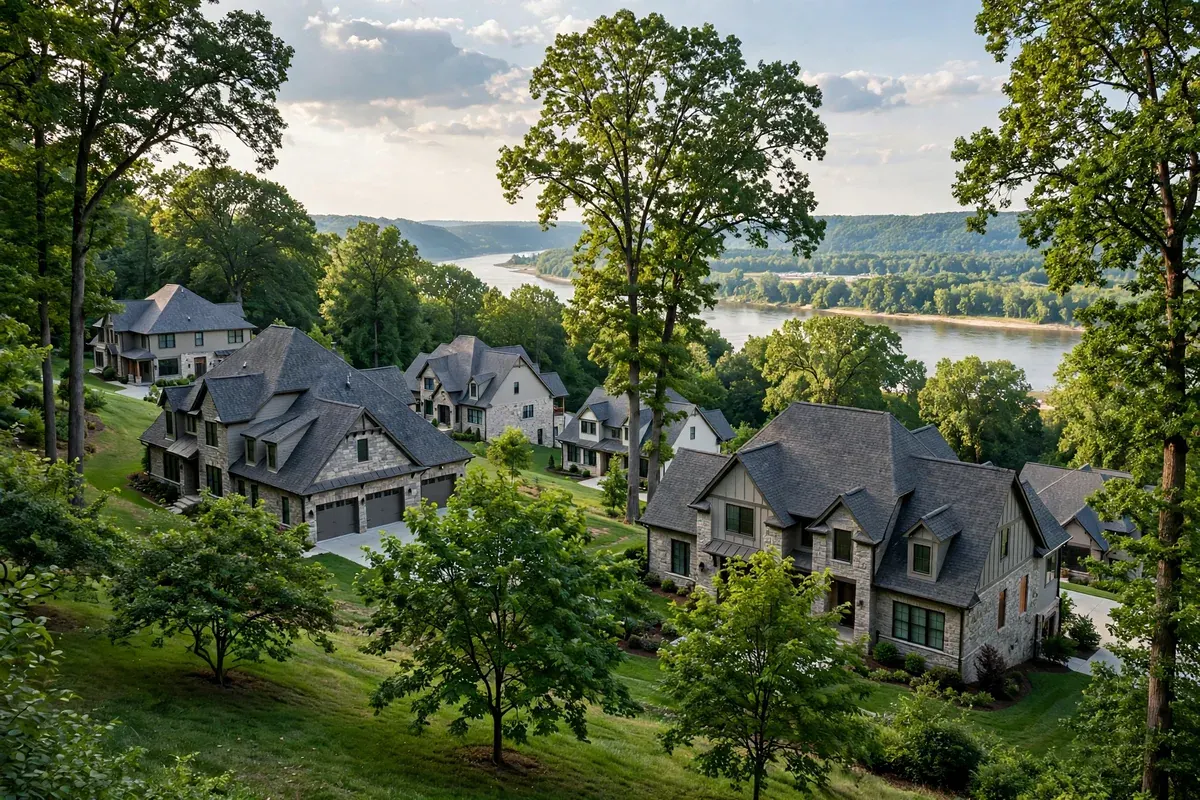
New-urbanist homes with steep, varied rooflines, front porches, rear alleys, and garages facing the alleys.
Ohio River Roofing
Prospect homes face river wind off the Ohio and steep, varied rooflines in Norton Commons, and both wear roofs down in their own way. We repair, replace, and inspect roofs across town, and we check every valley and ridge line after a storm.
Neighborhoods
New-urbanist homes with steep, varied rooflines, front porches, rear alleys, and garages facing the alleys.
Mid-1960s country-club lots with large homes and mature trees near the golf course.
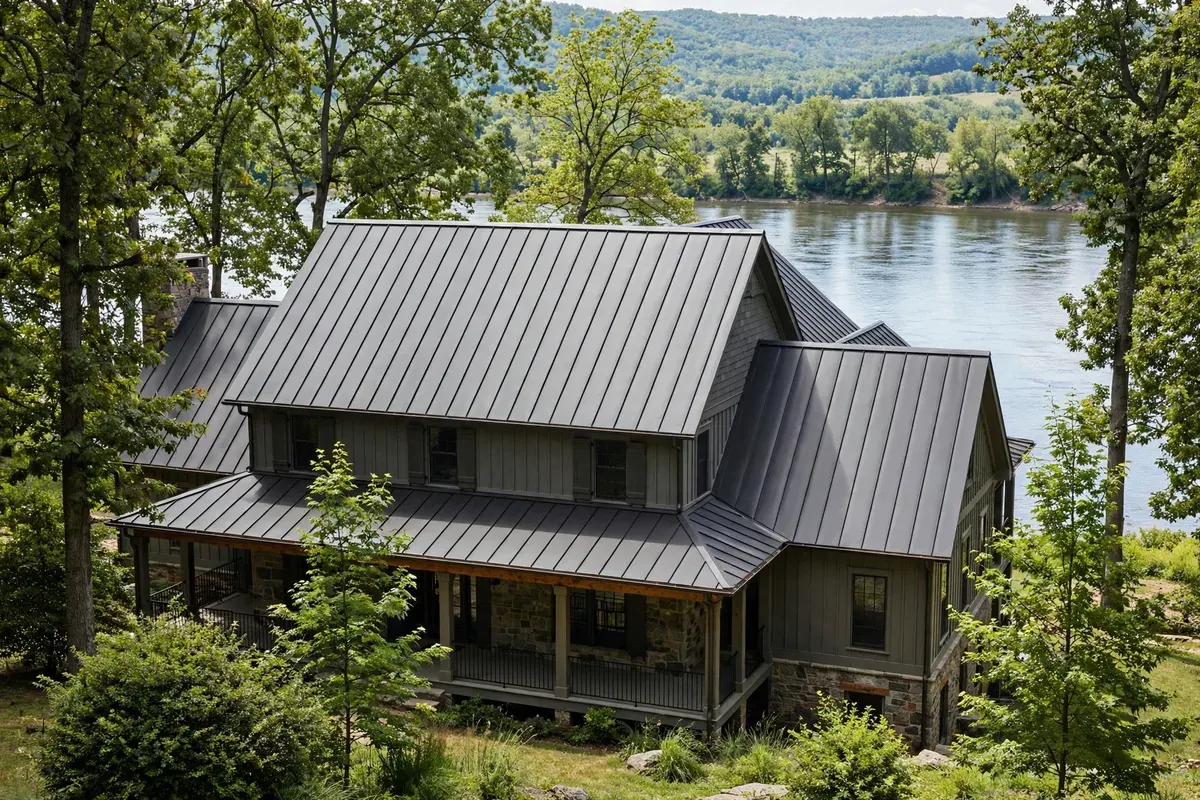
Marina condos and riverfront homes facing wind off the Ohio River and Harrods Creek.
An amenity community with pools and a clubhouse, and two-story homes with multi-slope roofs.
Two-story homes with pools and clubhouse amenities, and taller roofs exposed to river wind.
Large homes on wooded river bluffs, where the wind off the Ohio River tests the ridge and the flashing.
Compare
| Roof option | Which bluff or Commons roof it suits | Bluff and creek wear to expect |
|---|---|---|
| Architectural shingles for Norton Commons homes and subdivision two-stories | Norton Commons homes and subdivision two-stories | Complex Norton Commons roofs carry many valleys, and hail bruises hide where the slopes meet. |
| Standing seam metal for bluff lots | Riverfront homes on the bluffs and the windward edges of Norton Commons | Riverfront wind works the seams on the bluff lots, and the flashing at dormers and valleys has to hold. |
| Class 4 impact-resistant shingles for bluff homes hit by hail before | Homes on the bluffs that have taken hail more than once | Built for hail, but the valleys and the flashing on the complex roofs still age at the normal pace. |
| Slate and tile | Large estate homes on river bluffs | Heavy stone on the estate bluffs needs a strong structure, and the flashing wears faster than the slate. |
Swipe sideways on a phone to see the whole comparison.
River wind working at your ridge line, or a Norton Commons valley wearing faster than the rest? Tell us what you see from the ground and we will check it up close.
Call (502) 922-5047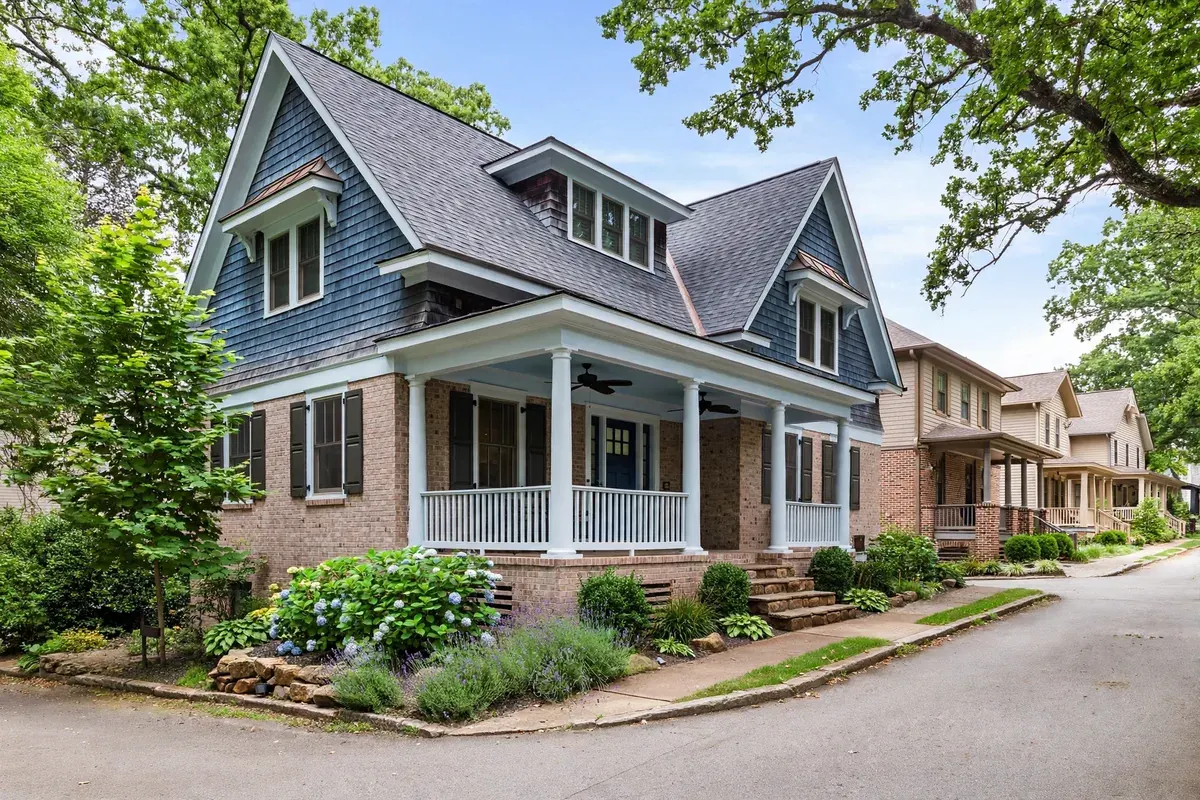
Prospect, KY
Prospect sits on the Ohio River about twelve miles northeast of downtown Louisville along US 42, and most of the town lies in Jefferson County, with a small part reaching north into Oldham County. It holds the metro's newest large-scale housing: planned subdivisions platted after 1965, the Estates of Hunting Creek from the mid-1960s, and Norton Commons, the 595-acre new-urbanist development whose design charrette in 1997 was led by Andres Duany and Elizabeth Plater-Zyberk. The South Village rose from the mid-2000s, the North Village from 2015, and the Town Square was completed in July 2020. The 40059 ZIP is split between Jefferson County and Oldham County, and the county line runs through the Norton Commons Hamlet extension.
River wind is the mechanism that shapes roof work here. Homes along the Ohio River and Harrods Creek sit open to wind off the water, and the wind finds ridge lines and valleys first. Norton Commons adds its own twist: steep, varied rooflines, front porches, rear alleys, and narrow gridded streets make for complex flashing and valley work, and the alley-loaded garages add low-slope sections of their own. The symptom is often a lifted tab on a ridge, a valley that wears faster than the open slopes, or a leak at a dormer joint. Humidity off the river feeds algae on shaded slopes as well, so the roof needs a look that covers wind, water, and shade together.
Local trouble
Prospect roofs
Wind off the Ohio River runs up the bluffs and across the open riverfront lots, and it finds ridge lines and valleys first. Lifted tabs and worn ridge caps are the early signs, and a ridge check after a storm catches them.
Prospect roofs
Steep, varied rooflines with dormers, porches, and alley garages mean many valleys and many flashing joints. Each joint is a place water can get in, so the inspection covers every one of them.
Prospect roofs
Moisture off the river and Harrods Creek feeds algae streaks on shaded slopes, and the streaks hide bruising underneath. Up on the Prospect roof we can feel for bruising under the streaks, which no look from the driveway can settle.
Homes & roofs
Prospect housing is mostly planned subdivisions platted after 1965. Norton Commons homes are new-urbanist, with front porches, rear alleys, narrow gridded streets, and garages facing the alleys. The Estates of Hunting Creek dates to the mid-1960s, with country-club lots. Sutherland and Bridgepointe are amenity communities with pools and clubhouses. Harrods Landing holds marina condos. Newer construction is still active in the North Village. US 42, River Road, runs along the Ohio River, and Harrods Creek runs through the area, with Harrods Creek Park, Putney Pond, and Little Hunting Creek Park nearby.
Roof work in Prospect follows the build era and the river. Many roofs are still in their first cycle, since the housing is newer than in most Louisville towns, but the steep, varied rooflines of Norton Commons make for complex flashing and valley work, and the riverfront homes face wind off the Ohio that lifts tabs and wears ridge caps. Hunting Creek Country Club's private 18-hole course sits in the middle of the Estates, and the mature trees around it drop leaves into valleys and gutters. A roof that looks new from the street can still carry a worn valley or a lifted ridge tab after a spring storm.
Coverage
Prospect is a small home-rule city on the Ohio River, mostly in Jefferson County, with a small part reaching north into Oldham County.
The 40059 ZIP is split between Jefferson County and Oldham County, and the county line runs through the Norton Commons Hamlet extension.
Services
Standing seam panels for riverfront homes and bluff lots, locked tight against wind off the Ohio, with the flashing at every dormer and valley bent to fit.
Learn more →We walk every valley and ridge line of a Prospect roof, from Norton Commons dormers to Harrods Landing riverfront slopes, and report in plain words what we find.
Learn more →Lifted ridge tabs, valleys wearing faster than the open slopes, and dormer leaks on riverfront and Norton Commons roofs, traced to the joint that let water in.
Learn more →Tear-offs for Prospect homes whose steep, many-valleyed roofs have worn across whole slopes, with new flashing at every valley and dormer.
Learn more →Or write to a Louisville roofer about river wind on your Prospect roof.
FAQ
We do. We work on roofs across Prospect, from the riverfront homes along US 42 to the villages of Norton Commons and the Estates of Hunting Creek. A visit starts with us walking the shingles, the flashing, and the deck, then laying out the fix in plain words. Tell us what you spotted from the ground and we will take it from there.
Standing seam metal holds up well to river wind, since its panels lock together and shed rain and hail fast, and it suits the steep slopes common in Prospect. Architectural shingles also work when the ridge caps and flashing are done right. Pitch, exposure, and attic ventilation decide it, so we look at your roof first and name the pick second.
Norton Commons homes are new-urbanist, with steep, varied rooflines, dormers, front porches, and alley-loaded garages, and each change in direction creates a valley. Valleys carry the most water on any roof, so they wear first and leak first. Keeping them clear of leaves and checking the flashing beneath them is the main job.
Riverfront homes face more wind-driven rain than homes inland, so the flashing at chimneys, walls, skylights, and valleys works harder here. When the step flashing and counterflashing are sealed and seated properly, wind-driven rain stays out of the wall, and a yearly check finds any joint that has worked loose.
The rooflines. Norton Commons homes carry steep, varied rooflines with dormers, front porches, and alley-loaded garages, and each change in direction creates a valley. Valleys carry the most water on any roof, so they wear first and leak first, and the inspection covers every valley and flashing joint, not just the open slopes.
Lifted tabs and worn ridge caps from river wind. The wind runs up the bluffs and across the open riverfront lots, and it finds the highest part of the roof first. Once a tab lifts, rain gets under the one beside it and the damage spreads from there. Checking the ridge after a storm catches it while the fix is still small.
A ridge that keeps lifting, a valley wearing faster than the rest, or a riverfront roof that has seen too many storms. Call or email and tell us what you spotted, and we will take it from there.