Call (502) 922-5047
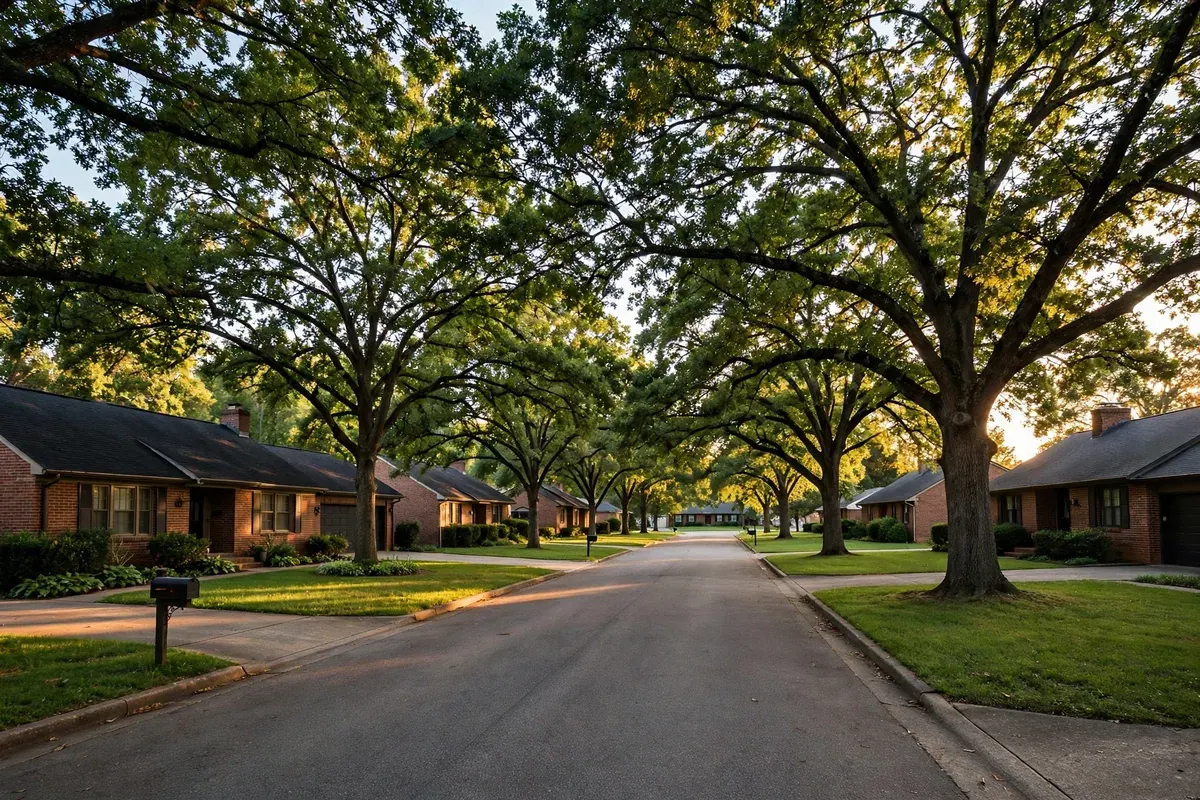
A tree-lined street in St. Matthews, Kentucky, with brick ranch houses and pitched shingle roofs

Shelbyville Road Roofing

Ranch Roofs Under Old Trees in St. Matthews, KY

St. Matthews roofs have weathered decades of Ohio Valley hail under heavy tree cover, and the leaf litter and shade wear them down in ways you cannot see from the street. We work on roofs across town, and we explain what we find in plain words before any work starts.

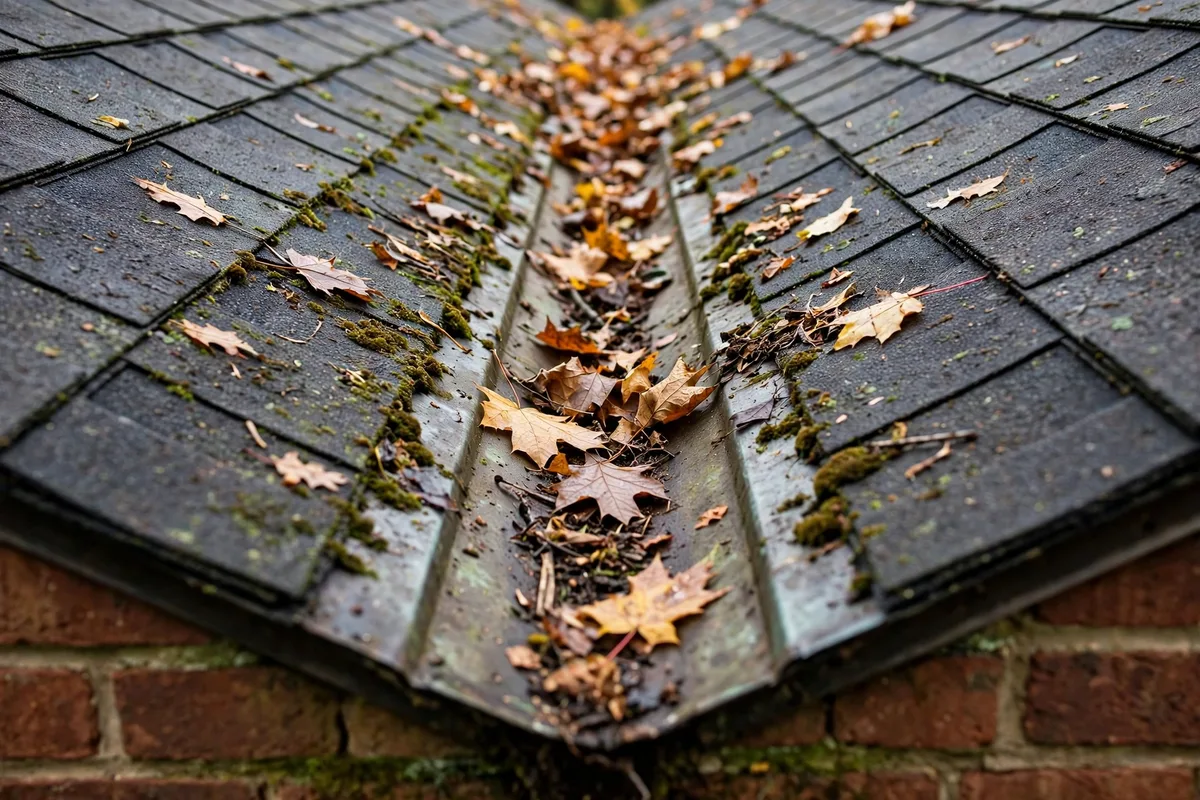
Close-up of dark architectural shingles with moss and leaf debris caught along a shaded St. Matthews roof valley

St. Matthews, KY

What St. Matthews roofs face, year after year

St. Matthews sits about seven miles east of downtown Louisville, wrapped around the Shelbyville Road and Frankfort Avenue corridors, and its roofs tell the age of the town. The brick ranches and Cape Cods of Bellewood and Beechwood Village went up in the 1940s through the 1960s, and many of them are now on a second or third roof. Mature trees shade whole blocks, which keeps summers cooler and drops a heavy load of leaves into gutters and valleys every fall.

Shade and leaf litter are the quiet mechanism here. Leaves hold moisture against shingles, moss takes hold on north-facing slopes, and gutters clog just as fall rain arrives. Water that cannot leave the roof edge backs up under the shingle edge and finds the deck. That is why a St. Matthews roof often looks fine from the street while the valley flashing and the gutter line are already worn. We read the roof up close, check the deck and the flashing, and fix the cause instead of patching the stain it left behind.
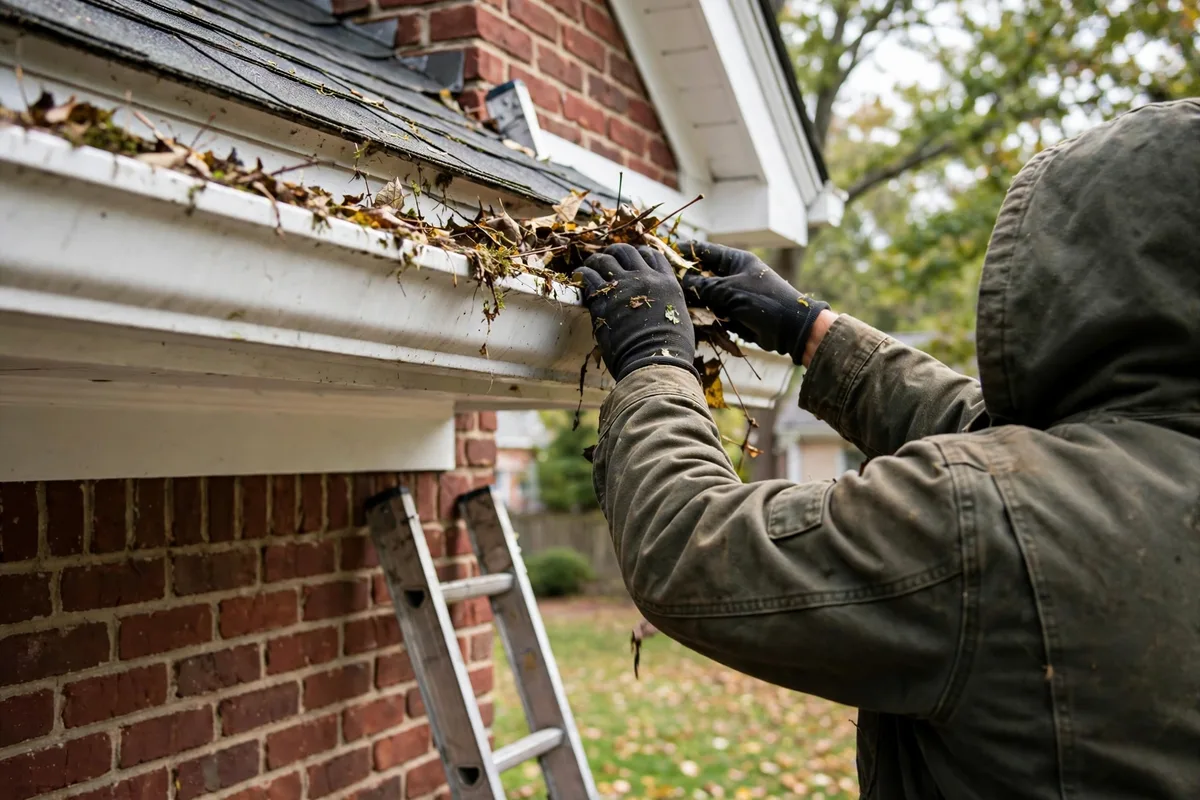
Roofer clearing leaves from a gutter on a brick Cape Cod house in St. Matthews

Homes & roofs

Brick ranches, Cape Cods, and estate roofs

More than fifty subdivisions fill St. Matthews, and the mix is wider than most visitors expect. Bellewood and Richlawn hold brick bungalows and mid-century ranches. Beechwood Village holds Cape Cods. Norbourne Estates and Seneca Gardens hold larger colonials. Cherokee Gardens holds Tudor homes, and Indian Hills and Mockingbird Valley hold estates on generous lots. Architectural asphalt shingles cover most of these roofs, and the older ones have already seen one or two replacements.

Roof age splits the town in two. The 1940s to 1960s stock is at the point where an inspection from the roof itself often finds curling tabs, bald patches where granules have washed away, and soft decking near the eaves. The estate roofs in Indian Hills and Mockingbird Valley are larger and more complex, with more valleys, more flashing, and more gutter length to keep clear. Both kinds of roof fail the same way when leaves sit wet against them, so the inspection starts at the gutter line and works up.

Local trouble

Leaves, shade, and hail on older shingles

St. Matthews roofs

Leaf load and gutter overflow

Mature oaks and maples drop leaves into every gutter in St. Matthews each fall. A clogged gutter sends water over the edge and back under the shingle edge, so we clear the run and check the fascia and drip edge with it.

St. Matthews roofs

Shade, moss, and algae streaks

North-facing slopes under tree cover stay damp, and dark algae streaks and moss follow. Moss holds moisture against the shingle surface and hides bruising underneath, so we look under it instead of guessing from the ground.

St. Matthews roofs

Hail on older shingle roofs

Spring hail finds the older roofs first. A bruised shingle can look whole from the driveway while its mat is cracked underneath, and the leak shows up months later as a ceiling stain. A close look after a storm settles it.

Leaves in the gutters and streaks on the north slope? Call and we will start at the gutter line.

Call (502) 922-5047

Neighborhoods

Fifty-plus subdivisions under one ZIP code

Beechwood Village Cape Cod roofs

Cape Cods from the mid-century build-out, with steep front slopes and dormers that put flashing joints to the test.

Richlawn Brick ranch roofs

Classic brick ranches on shaded streets, where leaf load and algae streaks show first on the north side.

Norbourne Estates Colonial roofs

Larger colonials with multi-slope roofs, where valleys carry the most water and wear first.

Indian Hills Estate roofs

Big estate roofs with complex ridges and long gutter runs under very heavy tree cover.

Cherokee Gardens Tudor roofs

Tudor homes with steep pitches and varied rooflines that need careful step flashing at every wall joint.

Seneca Gardens Colonial roofs

Roomy colonials near Seneca Park, with older shingle roofs now reaching the age where granule loss shows.

Compare

Which roof fits a St. Matthews house?

Roof choices for St. Matthews homes, side by side
Roof optionWhich ranch, Cape, or colonial it suitsOld-tree wear to expect
Architectural shingles for brick ranches, Cape Cods, and colonialsBrick ranches, Cape Cods, and colonials across townHail takes granules off the ranches, Cape Cods, and colonials alike under the mature tree cover.
Three-tab shingles for older ranches on their first or second roofOlder ranches still carrying their first or second roofThe thinner tabs on older ranches lift sooner in the wind coming down Shelbyville Road.
Standing seam metal for estate roofsEstate roofs and homes under heavy tree coverOn estate roofs under heavy tree cover, the flashing has to be bent to fit every dormer and wall joint.
Algae-resistant shingles for shaded slopes in Richlawn and BellewoodShaded north-facing slopes in Richlawn and BellewoodRichlawn and Bellewood slopes stay damp in the shade, so leaves sitting in the gutters still feed the moss.

Swipe sideways to see the rest of the table.

Around town

Shelbyville Road and the parks around it

Mall St. Matthews has anchored the Shelbyville Road corridor since 1962, when it opened as Kentucky's first enclosed suburban mall, and Oxmoor Center, Brown Park, and Chenoweth Square sit nearby. Seneca Park, designed by the Olmsted firm, edges the town to the west, and its mature trees set the tone for the whole area: deep shade, heavy leaf fall, and roofs that stay damp longer after rain. Westport Village and St. Matthews Station add newer shops along the same corridor, and the roofs over those storefronts face the same hail and wind as the houses behind them.

Services

What we do on St. Matthews roofs

Roof Replacement

Tear-offs for brick ranches, Cape Cods, and colonials whose shingles have worn across whole slopes under St. Matthews tree cover.

Learn more →

Roof Repair

Leaks found at their source, whether a valley, a pipe boot, or a lifted shingle, so the same St. Matthews spot stops coming back.

Learn more →
See All 17 Roofing Services

Or contact a Louisville roofer about the leaves in the gutter or the streaks on the north slope.

Coverage

One ZIP code, a whole town of roofs

St. Matthews is a separately incorporated city inside Louisville Metro, in Jefferson County, about seven miles east of downtown Louisville.

40207

The 40207 ZIP also covers Indian Hills, Windy Hills, Beechwood Village, Woodlawn Park, Rolling Fields, Mockingbird Valley, Richlawn, and Norbourne Estates.

FAQ

What St. Matthews owners ask before they call

We do. We repair roofs across St. Matthews, from the brick ranches of Richlawn to the Cape Cods of Beechwood Village and the estate roofs of Indian Hills. We start by finding where the water gets in, not just where the stain shows, then lay out the fix in plain words. Tell us what you are seeing and we will plan the visit around it.

A St. Matthews ranch roof runs about 20 to 30 years with architectural shingles and about 15 to 20 years with three-tab shingles, though shade and leaf litter can shorten that span. The roof itself gives the real answer: granule loss, curling tabs, and soft decking tell you more than the calendar ever will.

They can, in three ways. Falling limbs break shingles and dent gutters, leaves clog gutters and hold moisture against the roof edge, and deep shade feeds moss and algae on north-facing slopes. The old trees stay put. It means the gutters and valleys need clearing and the roof needs a look each year.

Leaves and granules narrow the gutter channel until a hard rain has nowhere to go, and the water spills over the edge or backs up under the shingles. A sagging run or a clogged downspout elbow does the same thing. Clearing the run and checking the slope of the gutter usually finds the cause in one visit.

Repair fits when the trouble is in one place, such as a valley, a pipe boot, or a few shingles lifted after a storm. Replacement fits when granule loss and curling run across whole slopes, leaks show in more than one room, or the deck feels soft in several spots. A close inspection of your St. Matthews ranch roof gives you the facts to choose with.

Water at the roof edge. Leaves pile in the gutters, the gutter overflows, and water works under the shingle edge and into the deck. The stain often shows up inside near an outside wall, far from where the water got in. Clearing the gutters and checking the drip edge and fascia stops most of it before it starts.

Nearby towns

Just past St. Matthews in either direction

Lyndon sits just east past the Watterson Expressway, and Middletown continues out Shelbyville Road past the Snyder, and a St. Matthews visit often stretches to one of those two towns too.

Your St. Matthews roof, checked before the next storm

A stain on the ceiling, granules in the gutter, or a roof that is simply getting old. Tell us what you are seeing, by phone or email, and we will start at the gutter line.