Valley Station roofs
Wind uplift on southwest lots
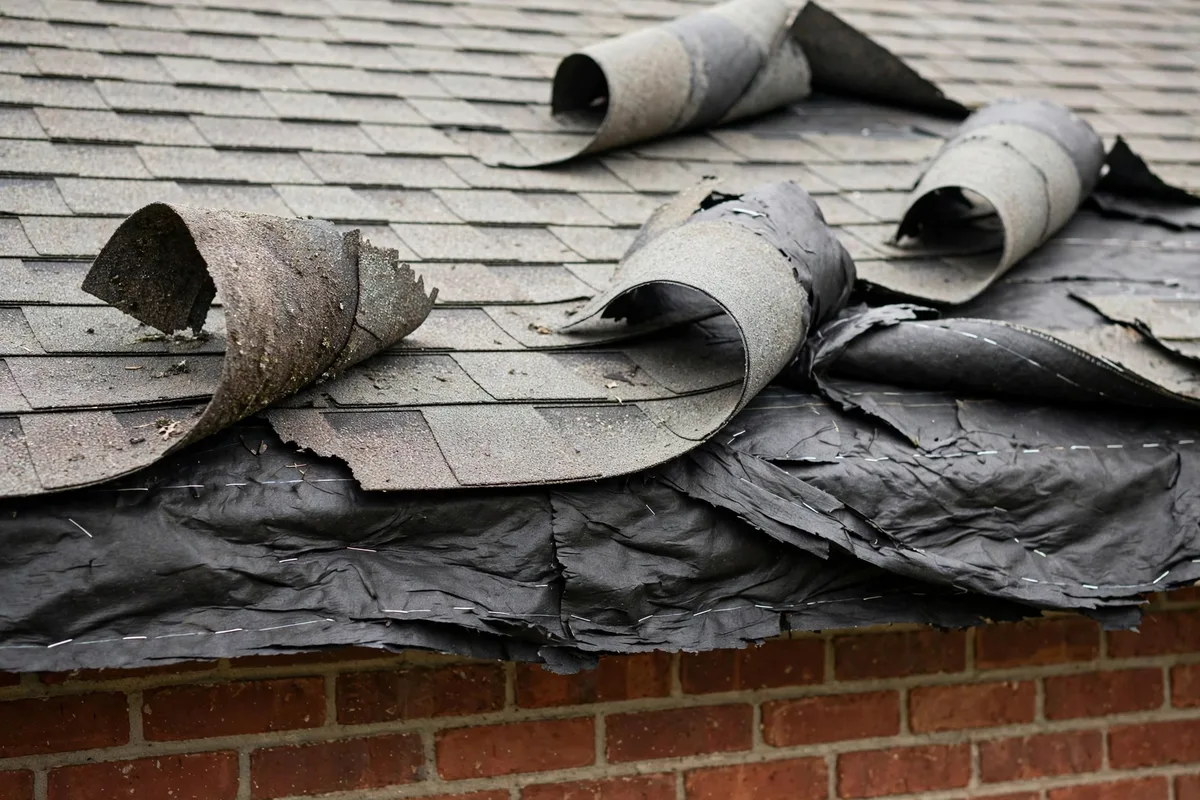
Storms roll in from the southwest across open flat land, and they lift tabs and tear at ridge caps. A shingle in the yard after a storm is the sign, and a ridge check finds the rest.
Southwest River Roofing
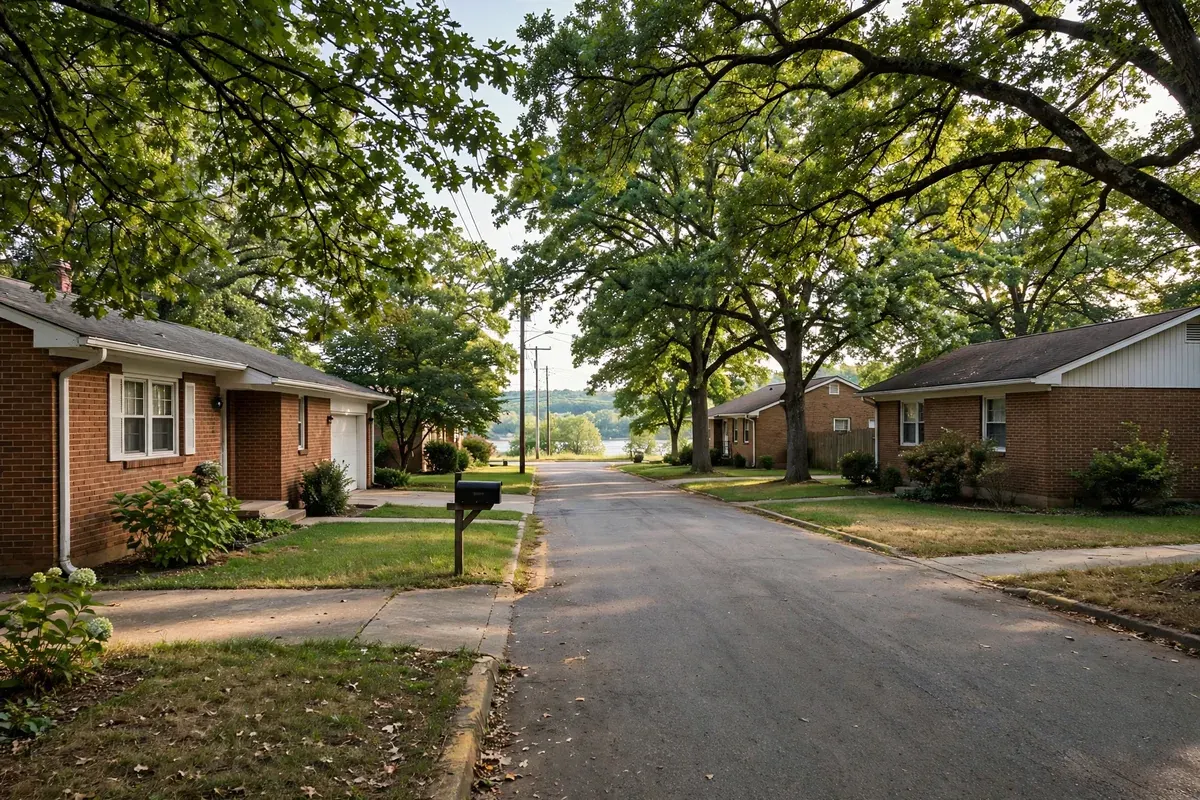
Valley Station ranches sit open to southwest storm wind off the river, and their small roofs have taken decades of it. We repair, replace, and inspect roofs across town, and we check the ridge after every storm.
Local trouble
Valley Station roofs
Storms roll in from the southwest across open flat land, and they lift tabs and tear at ridge caps. A shingle in the yard after a storm is the sign, and a ridge check finds the rest.
Valley Station roofs
Small ranches carry simple roofs that are straightforward to replace, but their age means the decking needs checking. Soft decking near the eaves is common, and bad boards get swapped during a tear-off.
Valley Station roofs
Winters that swing across freezing expand and contract shingles, crack seals, and widen small gaps. The wear shows as curling tabs and granule loss, and it speeds up once the shingles start to age.
Valley Station, KY
Valley Station sits in southwest Louisville near the Ohio River, and it holds a mix of mid-century and new homes. The older stock is small brick ranches, with examples around 950 to 1,040 square feet, three bedrooms and one bath, in Leemont Acres and Prairie Village, where brick ranches carry finished basements. The 40272 ZIP covers Valley Station, Prairie Village, and Pleasure Ridge Park South. Newer construction fills Orell Station and Cedar Grove Commons, and the town's flat river-adjacent land runs to the Ohio River in the west, with Dixie Highway as the main corridor.
Southwest storm exposure is the mechanism that shapes roof work here. Storms roll in from the southwest across open river-adjacent flat land, and they hit Valley Station roofs with wind that lifts tabs and tears at ridge caps. The older small-footprint ranches are at replacement age, and their shingles have weathered decades of it, while the new-build pockets carry fresh roofs that still need a look after hail. The symptom is often a shingle in the yard after a storm, a lifted tab along the ridge, or a stain that shows up weeks later. An inspection after the wind settles it before the next rain finds the opening.
A shingle in the yard after the last southwest storm, or a lifted tab along the ridge? Tell us what blew off and we will look at the rest of the roof with it.
Call (502) 922-5047Neighborhoods
Brick ranches with finished basements, on the flat river-adjacent land near the Ohio River.
Small brick ranches of about 950 to 1,040 square feet, many at replacement age.
Ranch homes with mature trees, where leaf load and gutter overflow show first.
Ranch homes near Sun Valley Park, with small-footprint roofs and simple pitches.
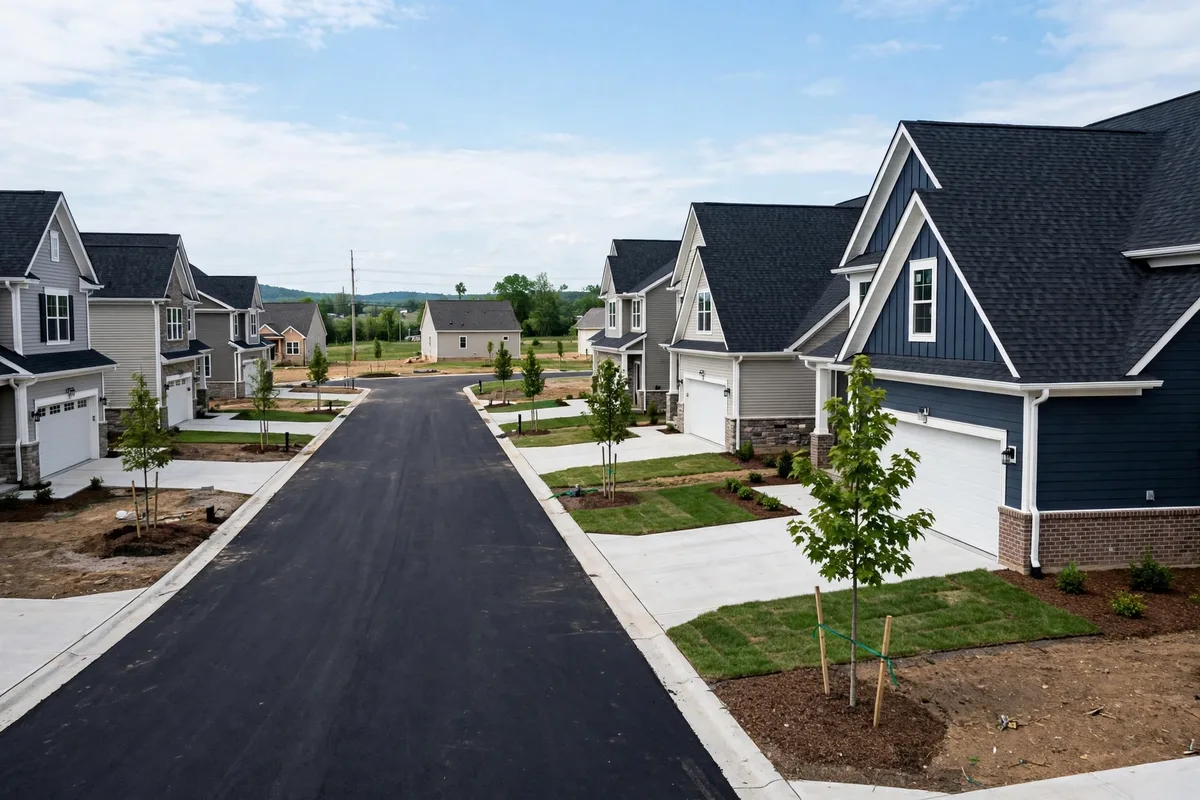
New construction homes with fresh roofs that still need a look after hail and wind.
New construction homes on the eastern edge, with newer roofs and open lots.
Homes & roofs
Valley Station housing is mostly mid-century, with small brick ranches predominating and newer construction adding a second layer. Prairie Village holds brick ranches with finished basements. Leemont Acres holds small three-bedroom, one-bath ranches. Valley Farms, Valley View, Green Valley, and Bethany Acres hold more of the same stock, while Orell Station and Cedar Grove Commons hold the new builds. Sun Valley Park, Waverly Park, and the Greenwood Boat Ramp and Waterpark sit nearby, and Mike Linnig's riverfront restaurant draws visitors to the river. The annual Southwest Community Festival brings the town together each year.
Roof work in Valley Station follows the age of the house. The mid-century ranches are at the point where granule loss, curling tabs, and flashing wear show across whole slopes, and their small footprints mean a replacement is straightforward once the deck is checked. The new builds carry fresh shingles, but their open lots give wind and hail a clear run, so a storm inspection matters even on a new roof. Dixie Highway, US 31W, is the main corridor, with I-264 to the north, Pleasure Ridge Park to the north, and Valley Village to the south.
Compare
| Roof option | Which small ranch or new build it suits | Southwest-corridor wear to expect |
|---|---|---|
| Architectural shingles for small brick ranches and new builds | Small brick ranches and new builds across town | Small brick ranches and new builds lose granules to hail from the southwest corridor. |
| Three-tab shingles for older small ranches | Older ranches nearing the end of shingle life | Thin tabs on the older ranches lift sooner in the southwest wind off the river. |
| Standing seam metal for wind-exposed lots | Wind-exposed lots and river-adjacent homes | Wind on the river-adjacent lots works the seams, and the flashing at every joint has to hold. |
| Class 4 impact-resistant shingles for homes in the southwest corridor | Homes in the southwest corridor that have taken hail more than once | Takes hail better than standard shingles, but the flashing at every joint still ages like any roof. |
The table runs wider than a phone screen, so drag it sideways to see the rest.
Coverage
Valley Station is in southwest Louisville in Jefferson County, near the Ohio River along Dixie Highway.
The 40272 ZIP covers Valley Station, Prairie Village, and Pleasure Ridge Park South.
Services
Wind-lifted tabs and ridge caps on Leemont Acres ranches, and storm nicks on Orell Station new builds, fixed where the wind actually hit.
Learn more →Tear-offs for small Valley Station ranches whose shingles have worn across whole slopes, with the deck checked board by board while the roof is open.
Learn more →We walk a Valley Station roof after southwest wind, checking the ridge, the flashing, the deck, and the attic, then report in plain words.
Learn more →After a southwest storm we look for hail bruises and lifted tabs on Valley Station roofs, and we write down what we find while the marks are fresh.
Learn more →Or talk to a Louisville roofer about wind on your Valley Station roof.
FAQ
We do. We repair roofs across Valley Station, from the small brick ranches of Leemont Acres and Prairie Village to the new builds of Orell Station and Cedar Grove Commons. A repair visit starts with us walking the shingles, the flashing, and the deck, then laying out the fix in plain words. Tell us what blew off and we will take it from there.
Not from wind and hail. The new builds in Orell Station and Cedar Grove Commons carry fresh shingles, but their open lots give wind and hail a clear run, so a storm inspection matters even on a new roof. A close look after wind settles it before the next rain finds the opening.
Wind from the southwest hits Valley Station roofs across open flat land, and it gets under tabs that have already curled with age. Heat from the attic speeds the wear, and a lifted tab lets the wind under the one beside it. After a southwest blow we check the Valley Station ridge and the attic heat, so one lifted tab does not open the slope beside it.
River-adjacent homes face more wind and driving rain than homes inland, so the flashing at chimneys, walls, and valleys works harder here. Sealed and seated step flashing and counterflashing keep wind-driven rain out of the wall, and a yearly check finds the joints that have worked loose.
A repair fits when the trouble is local: one valley, one pipe boot, or a few lifted shingles after a storm. Replacement fits when granule loss and curling show across whole slopes, leaks appear in more than one room, or the deck feels soft in several spots. A close look at your Valley Station roof shows you which path fits your house.
When the first spring storms are over, walk the ground and look for missing tabs, lifted ridge caps, and granules in the gutters. Then check the attic for damp insulation or daylight through the deck. A look like that each year finds winter wear before the summer storms arrive, and it keeps a small fix small.
Nearby towns
Pleasure Ridge Park runs north up Dixie Highway, and Shively sits north past the Watterson, so Valley Station roof visits often cover the southwest corridor together.
A tab that keeps lifting, a storm you want checked, or a small ranch roof that has simply run its course. Call or email, tell us what blew off, and we will take it from there.