Call (502) 922-5047
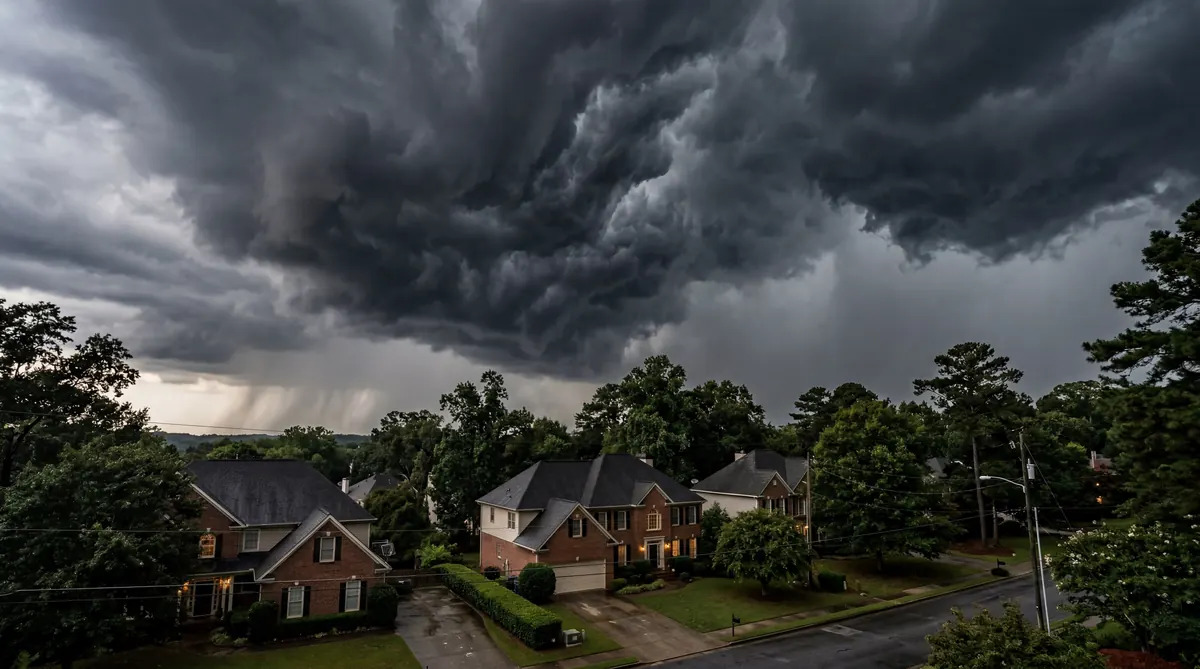
Dark storm clouds gathering over suburban Louisville houses

Spring Storm Prep

Spring storms in Louisville: getting your roof ready

Spring in Louisville means severe storms rolling in off the Ohio River, with hail, high wind, and driving rain. A roof that is ready before the season takes those storms better than one that is found out by them.

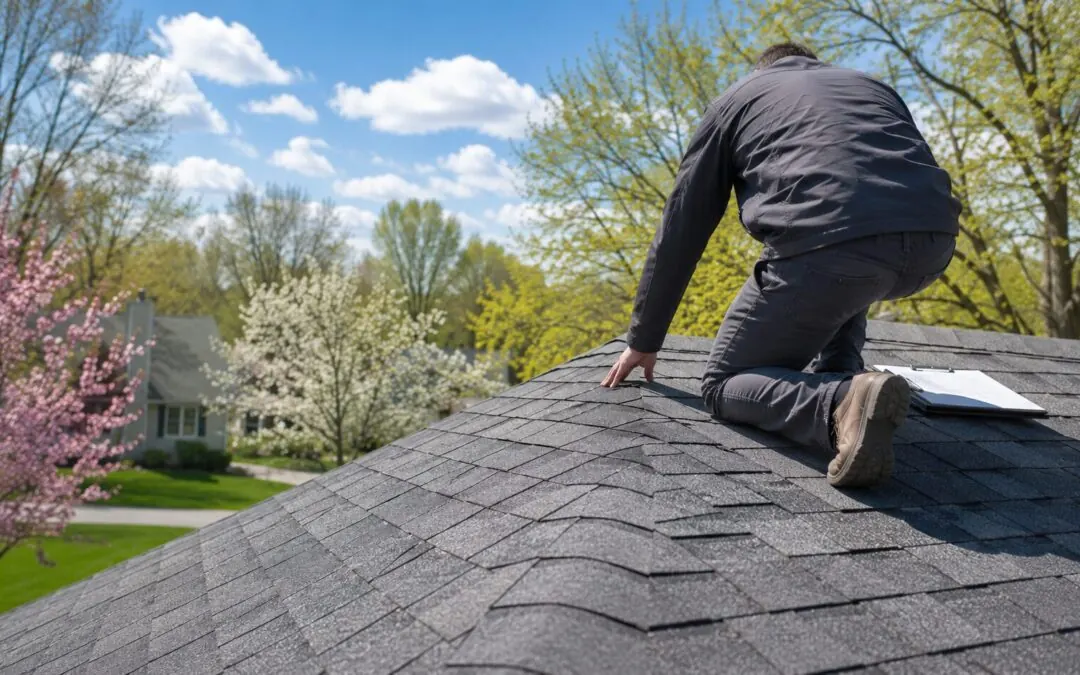
Roofer inspecting shingles on a residential roof in spring
A spring look catches the lifted shingles and cracked flashing that winter left behind.

Before the season

A spring check catches winter wear early

Winter leaves its marks on a Louisville roof: shingles lifted by freeze and thaw, flashing loosened around the chimney, granules washed into the gutters. A spring check finds those marks before the first severe storm tests them, and a small fix in March beats a leak in May. Walk the ground with binoculars and look for lifted tabs, missing shingles, and dents on the vents, then look inside the attic for fresh stains.

The check is also the time to look at the trees. Limbs hanging over the roof scrape the shingles in the wind and drop branches in a storm, and a limb that touches the roof in calm weather becomes a hammer in high wind. Trimming back the branches that overhang the roof is a spring job, and it protects the shingles all season.

If the roof is past the middle of its run, or if the winter left more than a few lifted shingles, a roofer's look is worth it. A roof inspection in Louisville before the storm season gives you the full picture, and the written findings tell you what to fix now and what to watch.
Spring checklist

Get your Louisville roof ready for spring storms

Tap each item as you complete it. Most of the list is a single weekend of work, and it covers the whole season.

Spring storms coming? Call and get the roof checked before the season.

Call (502) 922-5047
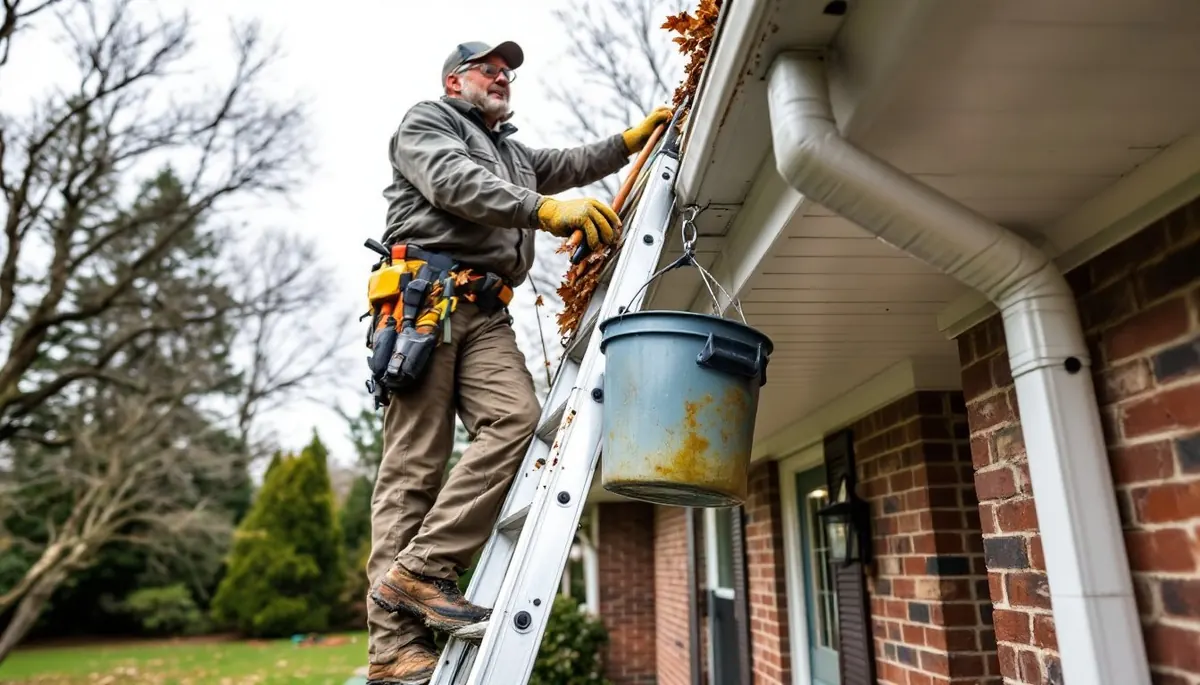
Cleaning leaves from a house gutter with a ladder in spring
A clear gutter moves a spring downpour away from the roof edge and the walls.

Water handling

Gutters decide where the storm water goes

Spring storms dump heavy rain in short bursts, and the gutters are what move that water away from the roof edge, the walls, and the foundation. A gutter clogged with winter leaves and maple seeds overflows in the first heavy rain, and the water runs back onto the eaves and down the wall, soaking the fascia and the siding.

The fix is simple and it is a spring job: scoop the troughs clean, flush the downspouts with water, and check that the elbows run clear. While you are there, look for gutters that sag between hangers or pull away from the fascia, since a sagging gutter holds water instead of moving it. Gutters and gutter guards in Louisville cover the repair and the guard options for homes under big trees.

When the storm comes

What to do when the sky turns dark

Louisville spring storms give warning, and the warning is the time to act. The roof work is done before the storm, not during it.

When the National Weather Service office in Louisville puts out a severe storm warning for the area, the work is already done: the gutters are clear, the limbs are trimmed, and the loose shingles are fixed. During the storm itself, stay inside and stay off the roof, and keep away from windows on the windward side. A roof is not a place to be in high wind or hail.

After the storm, walk the yard and look for shingle pieces, hailstones, and granules on the ground, then scan the slopes with binoculars. A roof that was ready before the storm usually comes through with little more than a few lifted tabs, and those are a small fix. A roof that was not ready shows it at once, and the spring check next year starts with the repairs this storm made necessary.

The streets that catch the worst of it

Spring hail in Louisville falls in narrow bands, so one street can be peppered while the next stays dry. The Highlands, St. Matthews, and the eastern suburbs see their share, and the open lots in Middletown and Prospect catch the wind full on. Wherever you live, the check after the storm is the same, and the roof that was ready before it fares best.

People also ask

Still wondering about spring storms and roofs?

Short answers on spring storms, and how to get a roof ready for them.

When is Louisville storm season?

Spring and early summer bring the most severe storms to the Ohio Valley, with hail and high wind at their worst from March through June. Summer storms follow through July and August, though they are usually shorter. A roof check in early spring covers the season that matters most.

Should I get a roof inspection after every spring storm?

After a hailstorm or a stretch of high wind, yes, even when the roof looks fine from the street. Hail bruises hide under the granules, and a lifted shingle can look flat from the ground. A close look after the storm catches the damage while the signs are fresh.

Do gutters really matter in a storm?

Yes, more than most homeowners think. A clogged gutter overflows in heavy rain and sends water back onto the eaves and down the walls, soaking the fascia and the siding. Clear gutters move a spring downpour away from the house, and that is half the job of keeping the roof dry.

Want the roof ready before the next storm? Call and book a spring check.

Call (502) 922-5047

Frequently asked questions

Answers to the spring storms and roofs questions we hear most

Walk the roof line from the ground with binoculars, clear the gutters and downspouts, look inside the attic for fresh stains, and trim limbs over the roof. A roofer's inspection before the season catches the lifted shingles and cracked flashing that winter left behind.

Severe thunderstorms bring hail, high wind, and driving rain, often in fast-moving lines that cross the Ohio Valley. Hail bruises shingles and dents metal, wind lifts tabs and tears off loose sections, and driving rain finds every weak flashing joint. The three together are what spring prep is for.

Walk the yard for shingle pieces and hailstones, scan the slopes with binoculars for dark round marks and missing tabs, and check the gutters for a heavy wash of granules. Inside, look in the attic for fresh stains. A roofer walks the roof and presses for bruises that the ground check misses.

Yes, any limb that touches or overhangs the roof should be cut back before spring. A limb that rests on the shingles scrapes granules off in the wind, and a dead limb becomes a falling branch in a storm. Trimming is a spring job, and it protects the roof all season.

Keep a tarp, a bucket, a flashlight, and your roofer's number where you can reach them in the dark. A tarp over an open section keeps the next rain out, and the buckets catch any water that gets in. The call to the roofer goes out in minutes when the number is saved.

Yes, a flat roof needs its drains and scuppers clear before the season, since standing water is the main risk. Check the seams and the flashing at the parapet, and make sure the drains run clear. A flat roof that ponds after a spring rain needs its drainage looked at before the next storm.

Keep reading

Read next: after the storm and the yearly routine

When a storm does hit, read what to do after a hailstorm hits your Louisville roof, and for the full yearly routine, read roof maintenance checklist for Louisville homeowners. Roof inspection in Louisville covers the spring check itself.

Your roof, checked before the spring storms arrive

Call and we will check the roof, clear the gutters, and tell you plainly what needs fixing before the season.