Call (502) 922-5047
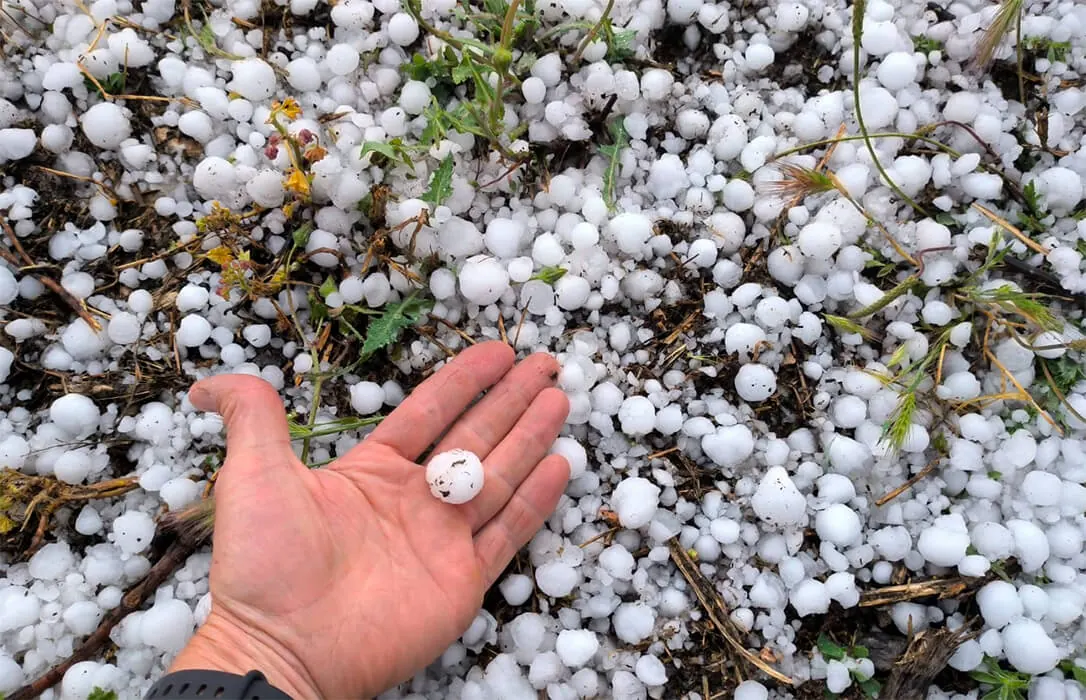
Hailstones in a hand showing their size after a storm

Storm Impact

How hail size affects roof damage

Not all hail is equal. A pea-size stone bounces off a roof, and a golf-ball stone breaks it. The size of the stones in your yard tells you how hard the roof was hit, and what to look for next.

By size

What each hail size does to a Louisville roof

Hail is measured by comparison, pea, marble, and golf ball, and each size carries a different amount of energy. The table shows what each one does.

Hail size and roof damage in Louisville
Hail sizeAbout the size ofWhat it does to a roof
Pea sizeAbout a quarter inchRarely hurts a sound roof, may mark soft metal
Marble sizeAbout half an inchBruises shingles, knocks granules loose
Quarter sizeAbout an inchDeep bruises, cracked tabs, dented vents
Golf ball sizeAbout an inch and three quartersBreaks shingles, cracks tile and slate
Baseball sizeAbout two and three quarters inchesPunctures shingles, breaks tile, dents metal badly

Scroll sideways to see the full table.

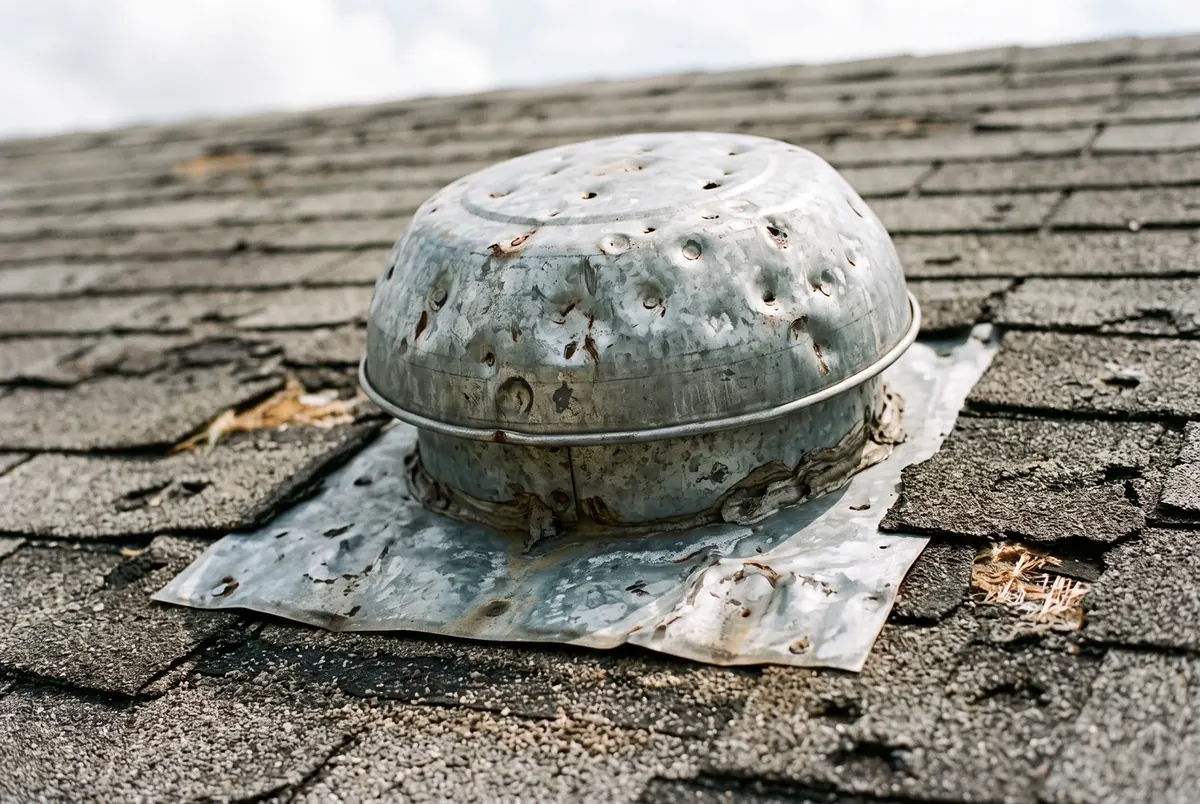
Hail damaged metal roof vent dented by large hailstones
Dented vents and flashing are the clearest gauge of the stone size that hit the roof.

Why size matters

A bigger stone carries far more energy

A hailstone twice as wide is eight times as heavy, since the weight grows with the volume, and it falls faster too. That is why the jump from marble to golf ball is not a small step: the golf ball stone hits with many times the energy, and the roof feels the difference. A pea-size stone taps the shingle and bounces off, while a golf-ball stone crushes the mat below the granules and leaves a soft spot you can press with a thumb.

Wind adds to the energy. A stone driven sideways by a storm wind hits the slope at an angle, and the angled hit tears the shingle edge where a straight drop would only dent it. That is why the storm side of a Louisville roof carries more damage than the sheltered side, and why the same storm can bruise one street and spare the next. The size of the stones in your yard, next to a coin for scale, is the best gauge of what the roof took.
Big hail in your yard? Call and get the roof checked while the signs are fresh.

Call (502) 922-5047
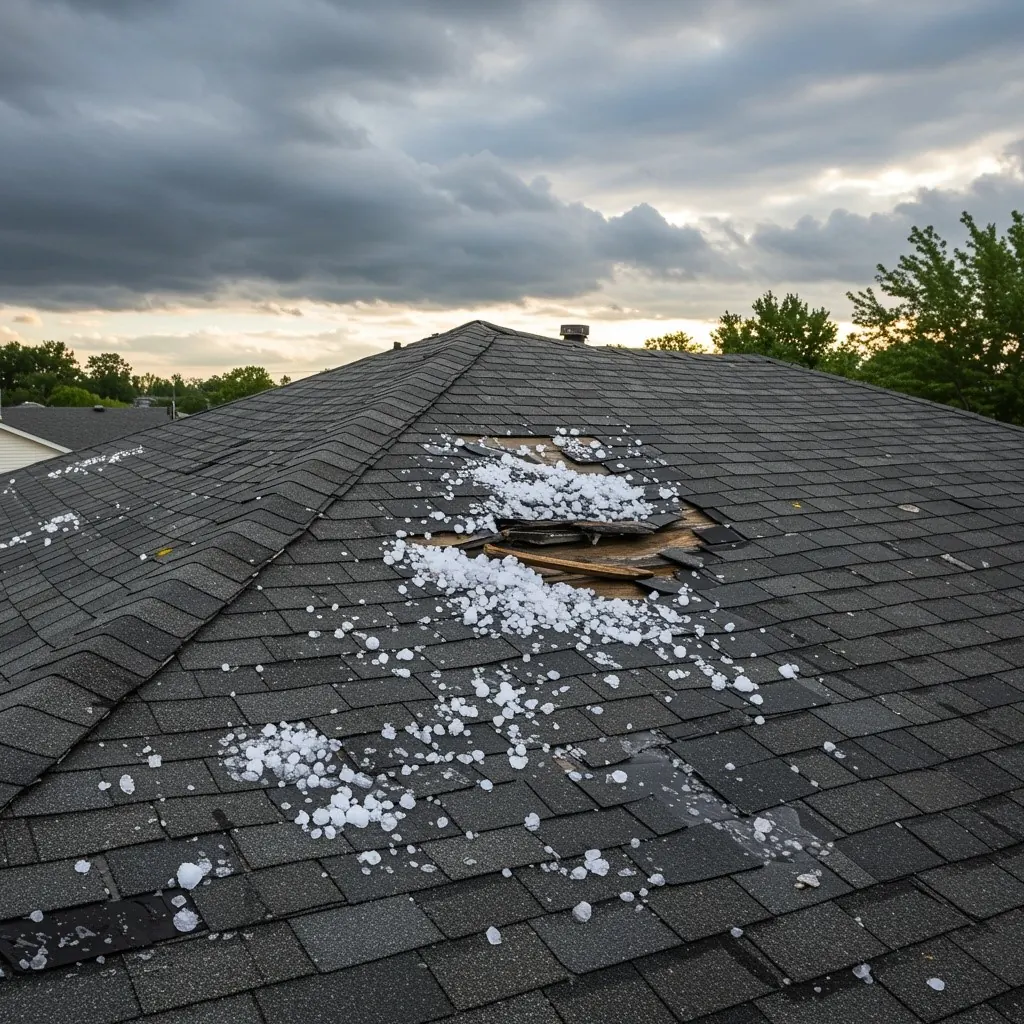
Hail damaged asphalt shingles with cracked tabs and granule loss
Shingles bruise and hide it. Metal dents and shows it. Tile cracks and breaks.

By material

The same hail, a different result on each material

Asphalt shingles bruise. The stone crushes the mat under the granules, and the damage hides until the granules wash away months later. That hidden bruise is why a shingle roof needs a close look after a hailstorm, even when it looks fine from the street. Metal dents instead: the panel shows a round dent at once, and the dent is usually a looks issue, while the panel still sheds water.

Slate and tile break. A stone that would bruise a shingle can crack a slate or split a tile, and the broken piece is visible on the ground below. Flat roof membranes puncture, and the puncture lets water straight through to the deck. Each material tells the story of the same storm differently, and the roofer reads the material in front of them, not the storm in general. Storm and hail damage repair in Louisville starts with that reading.

After the storm

What to do with the stones in your yard

The hailstones in your yard are evidence, and they melt fast. Photograph them before they are gone, and the photo becomes part of the record.

Photograph the largest stones next to a coin, and photograph the dents on the vents and the flashing at the same time. The two together, stone size and metal dents, are the clearest account of how hard the storm hit. Write the storm date down with the photos, since the date ties the damage to a named event, and the National Weather Service office in Louisville keeps storm reports that back the date up.

Then call a roofer for the close look. The roofer walks the roof and presses for bruises, which are found by touch, and writes the damage down slope by slope. A roof hit by marble-size hail needs a different look than one hit by golf-ball hail, and the stone size in your yard is what sets the expectation.

People also ask

What comes up most about hail size

Short answers on hail size, and what each size does to a roof.

How big does hail need to be to bruise a shingle?

It takes less than most owners think. Marble-size stones, about half an inch across, can bruise a shingle and knock granules loose, while pea-size hail rarely hurts a sound roof. Quarter-size stones crack tabs and dent vents, and golf-ball hail breaks shingles and cracks tile. Hold a stone next to a coin to judge what your roof took.

Can small hail damage a roof?

Pea-size hail rarely hurts a sound roof, though it can mark soft metal vents and flashing. The risk from small hail is repetition: several storms of small hail in one season can wear the granules down over time. A single pea-size storm on a sound roof is not a reason to worry.

How do I know if hail damaged my roof?

Look for dark round marks where granules are missing, soft spots you can press with a thumb, and dents on the vents and flashing. Check the gutters for a heavy wash of granules after the storm. A roofer walks the roof and presses for bruises, which are found by touch, not by sight alone.

Unsure what the hail did? Call and ask for a close look.

Call (502) 922-5047

Frequently asked questions

Your hail size questions, answered

No, but it means a close look. Golf-ball hail breaks shingles and cracks tile, and the damage is usually wide, across several slopes. Whether the roof needs a repair or a replacement turns on the pattern: how many slopes were hit, how deep the damage is, and how old the shingles are. The pattern decides it, not the stone alone.

The storm comes from one direction, and the slope facing it takes the hits square on, while the sheltered slopes take fewer and glancing blows. Wind drives the stones sideways, so the storm side carries the bruises and the dents. That is why a roofer reads the roof slope by slope, not as one surface.

Yes, it dents the panels and the seams, and large hail can dent them badly. The dents are usually a looks issue, since the panel still sheds water, though a dented seam can open and leak. Metal shows hail plainly, which makes it easier to read after a storm than a shingle roof that hides its bruises.

Walk the yard the next morning, while the hailstones are still on the ground and the granules are still in the gutters. A roofer should walk the roof inside the same week, since every rain after the storm washes the evidence away and the bruise pattern blurs. The sooner the roof is read, the clearer the record of what the storm did.

Louisville has seen golf-ball and larger hail in severe spring storms, though most hail here is pea to marble size. The National Weather Service office in Louisville keeps storm reports for the area, and those reports record the hail size for each event. The stones in your yard are the local record for your street.

Usually not, when the roof is sound and the hail was small. A look from the ground for dents on the vents and a check of the gutters for granules is enough. If the pea-size hail came with high wind, or if the roof is old, a roofer's look is still worth it, since wind can lift what hail cannot break.

Keep reading

Read next: spotting the damage and what to do next

To learn the signs themselves, read how to tell hail damaged your Louisville roof, and for the first moves after the storm, read what to do after a hailstorm hits your Louisville roof.

Hail hit your Louisville roof?

Call and tell us the size of the stones in your yard. We will check the roof up close and tell you plainly what it needs.