Call (502) 922-5047
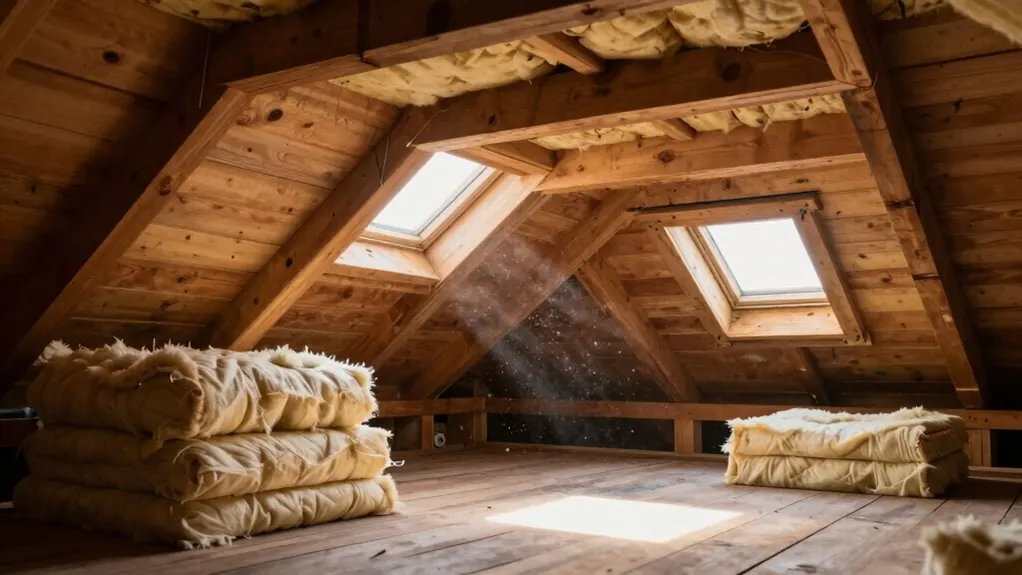
Attic insulation and ventilation baffles seen from inside a house attic

Summer Heat

Attic ventilation in a humid Louisville summer

Louisville summers are hot and damp, and a sealed attic turns that damp air into a slow attack on the roof. Ventilation is the quiet system that keeps the attic dry, and most homes have less of it than they need.

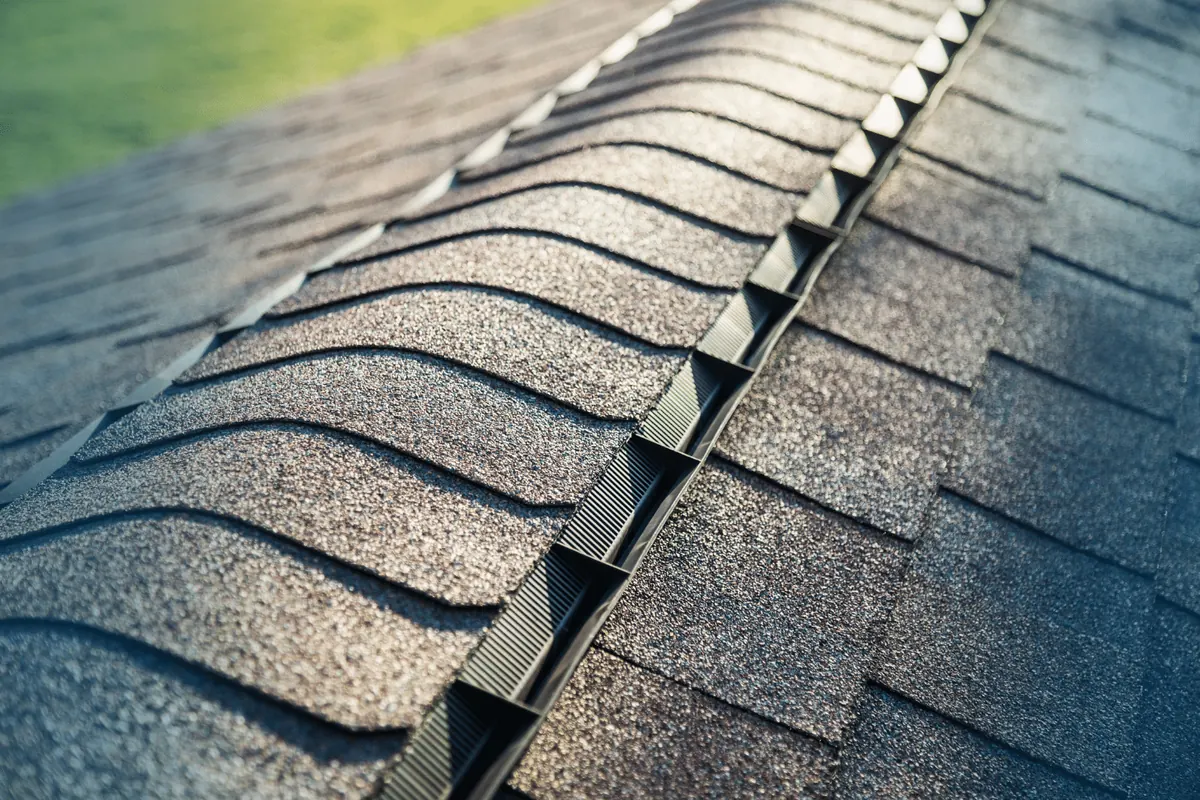
Ridge vent along the peak of a shingle roof
A ridge vent lets hot damp air out at the peak, while soffit vents pull fresh air in below.

How it works

Air in low, air out high, all summer long

Attic ventilation is a slow flow of air: cool air comes in through the soffit vents under the eaves, rises through the attic, and leaves through the ridge vent at the peak. That flow keeps the attic near the outside temperature and carries damp air out before it can settle on the deck. In a humid Louisville summer, the flow never stops, and it is what keeps the attic dry.

The balance matters more than the amount. Intake and exhaust have to match, or the flow stalls. A roof with a big ridge vent and blocked soffits pulls air from the house instead, through gaps around lights and hatches, and that air is warm and damp. A roof with open soffits and no ridge vent lets the hot air sit at the peak, where it cooks the shingles from below. The two halves are one system, and they work only together.

The signs of a stalled attic are easy to spot. The upstairs rooms run hot on summer evenings, the shingles curl early, and the deck shows dark stains from condensation. A roofer reads the attic in minutes: the vents, the baffles that keep the insulation off the soffits, and the stains on the deck tell the whole story. Attic ventilation in Louisville is the work that sets the balance right.
Vent types

The vents on a Louisville roof, and what each one does

Four vent types do the work on most Louisville homes. Each one has a place, and mixing them wrong can stall the flow.

Attic vent types compared for Louisville homes
VentWhere it sitsWhat it does
Soffit ventUnder the eavesPulls cool intake air into the attic
Ridge ventAlong the peakLets hot damp air out at the top
Gable ventOn the gable endsCross flow, helps where no ridge vent fits
Turbine ventOn the slopeSpins with the wind, pulls air out actively
Power attic fanOn the slope or gableForces air out, needs balanced intake

Scroll sideways to see the full table.

Upstairs rooms running hot this summer? Call and get the attic checked.

Call (502) 922-5047
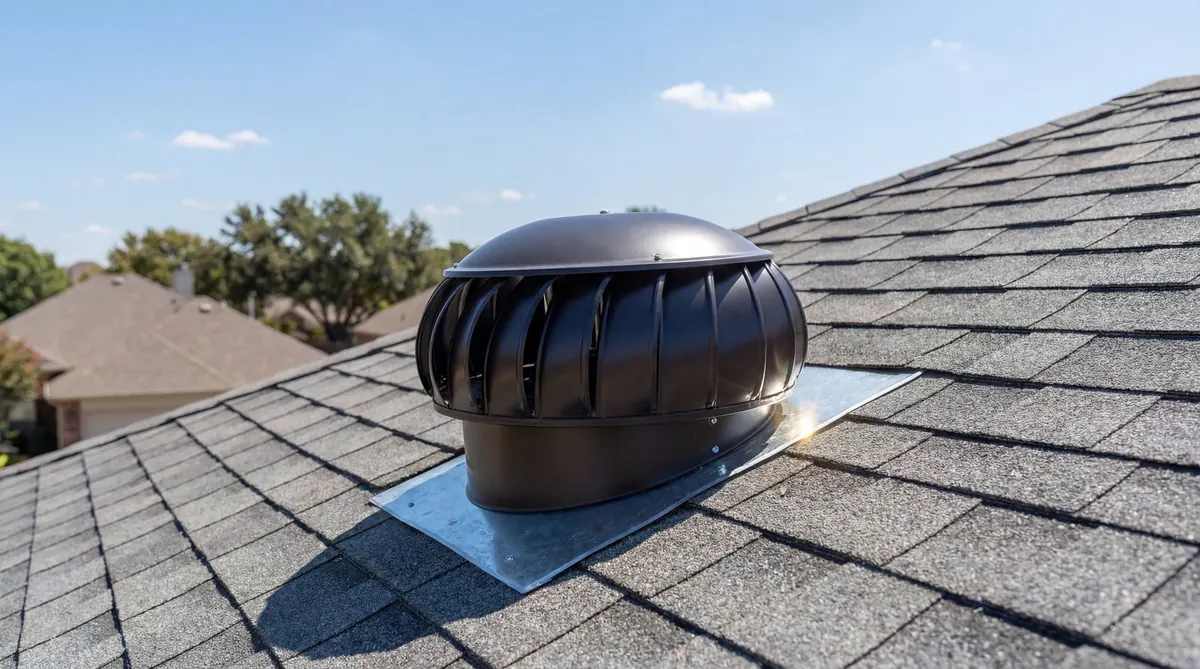
Attic fan vent on a house roof exterior
A power fan helps only when the intake below it is open. Without intake, it pulls air from the house.

Summer damage

A sealed attic cooks the shingles from below

A Louisville attic in July can run far hotter than the air outside, and the shingles above it bake from both sides at once. The sun heats the top, the attic heats the bottom, and the shingles wear out years sooner than they would over a vented attic. The first signs are curling on the south slope and granule loss in the gutters, years before the roof should show them.

The moisture is the quieter half. Humid air rises from the house into the attic, and when it meets the cool deck at night it condenses into water. That water stains the deck, feeds mold on the rafters, and soaks the insulation until it stops insulating. A roof can look fine from the street while the deck below it is rotting, and the attic is where the story shows.

Checking your attic

How to tell if your attic breathes

Three checks, none of them needing a ladder. The attic tells you itself whether the air is moving.

Go into the attic on a hot afternoon and feel the air. A vented attic feels warm but moving, close to the outside temperature. A sealed attic feels stifling, with still air that hangs heavy, and the deck above is hot to the touch. Look at the soffits from inside: the baffles that hold the insulation back should be open, and daylight should show through the vent slots.

Look at the deck for stains. Dark patches on the plywood, especially near the eaves and the peak, mean condensation has been settling there. Look at the insulation too: damp, matted insulation has stopped doing its job, and it is a sign the air is not moving. If the attic fails these checks, the fix is ventilation work, not more insulation alone, since insulation without air flow traps the moisture in place.

People also ask

Short answers: attic ventilation

Short answers on attic air in a humid summer, and what poor airflow does to a roof.

How do I know if my Louisville attic has poor ventilation?

The upstairs rooms run hot on summer evenings, the shingles curl early, and the deck shows dark stains from condensation. Go into the attic on a hot afternoon: a sealed attic feels stifling with still air, and the soffit vents are often blocked by insulation. Those three signs together point to weak ventilation.

Can poor attic ventilation damage my roof?

Yes, and it is one of the main ways a Louisville roof ages early. A sealed attic cooks shingles from below in summer and condenses moisture on the deck in winter. The shingles curl, the granules wash away, and the deck rots, all while the roof looks fine from the street.

Ridge vent or turbine vent: which is better for a Louisville home?

A ridge vent suits most Louisville homes, since it runs the full peak and exhausts air evenly without moving parts. A turbine vent suits roofs where a ridge vent does not fit, such as a hip roof with a short ridge. The intake below matters more than the choice at the top, since either exhaust stalls without open soffits.

Want the attic breathing properly? Call and ask for a ventilation check.

Call (502) 922-5047

Frequently asked questions

Ask us anything about attic ventilation: the answers

Steady air through the attic carries damp summer air out before it settles on the deck. Air enters at the soffits and leaves at the ridge, holding the attic close to the outside temperature and easing the heat on the shingles. Without that flow, heat and moisture sit in the attic all summer and wear the roof from below.

Intake vents sit low, under the eaves, and pull cool air into the attic. Exhaust vents sit high, at the peak, and let hot damp air out. The two have to match: a big exhaust with blocked intake pulls air from the house, and open intake with no exhaust lets the hot air sit at the peak.

Usually not. A balanced passive system, soffits in and ridge vent out, moves enough air for most Louisville homes. A power fan can help a large or complex attic, but it needs balanced intake to work, and without it the fan pulls warm damp air from the house into the attic.

Yes, when it is pushed against the soffits and covers the intake vents. Baffles, or vent chutes, hold the insulation back and keep the air path open from the soffit to the ridge. A roofer checks the baffles as part of a ventilation look, since blocked soffits are the most common cause of a stalled attic.

Humid air rises from the house into the attic, and when it meets the cooler deck it condenses into water. Without air flow to carry it out, the moisture settles on the deck and the insulation. The fix is ventilation that moves the damp air out, not more insulation, which traps the moisture in place.

Yes, it is half the fix. Ventilation sweeps leaked heat out from under the deck, which keeps the roof cold and the snow still instead of melting and refreezing at the eaves. Sealing air leaks and adding insulation do the other half, and the three together stop the cycle that builds a dam.

Keep reading

Read next: ice dams and winter preparation

Ventilation is also half the ice dam fix. Read ice dams on Louisville roofs: why they form and how to stop them, and for the full winter routine, read how to prepare your roof for winter in Louisville.

Attic hot and damp this summer?

Call and we will check the soffits, the ridge vent, and the deck, and tell you plainly whether your attic is breathing.