Clear the gutters
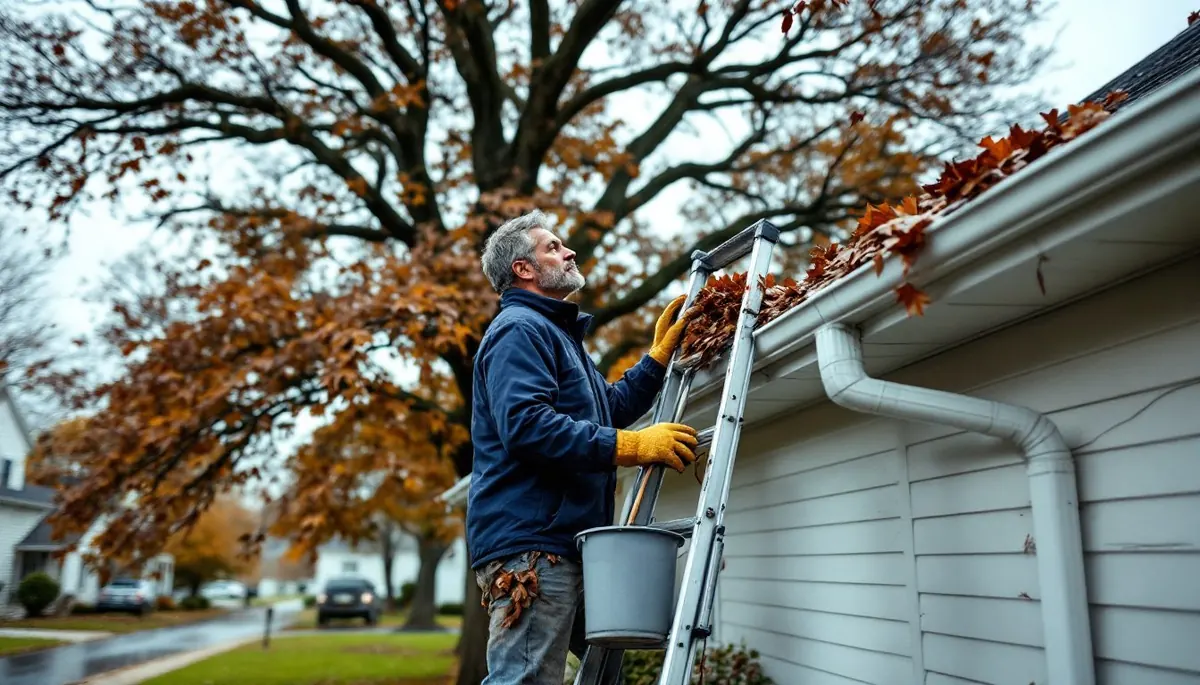
Scoop out the fall leaves and flush the downspouts, so water drains instead of freezing at the eaves.
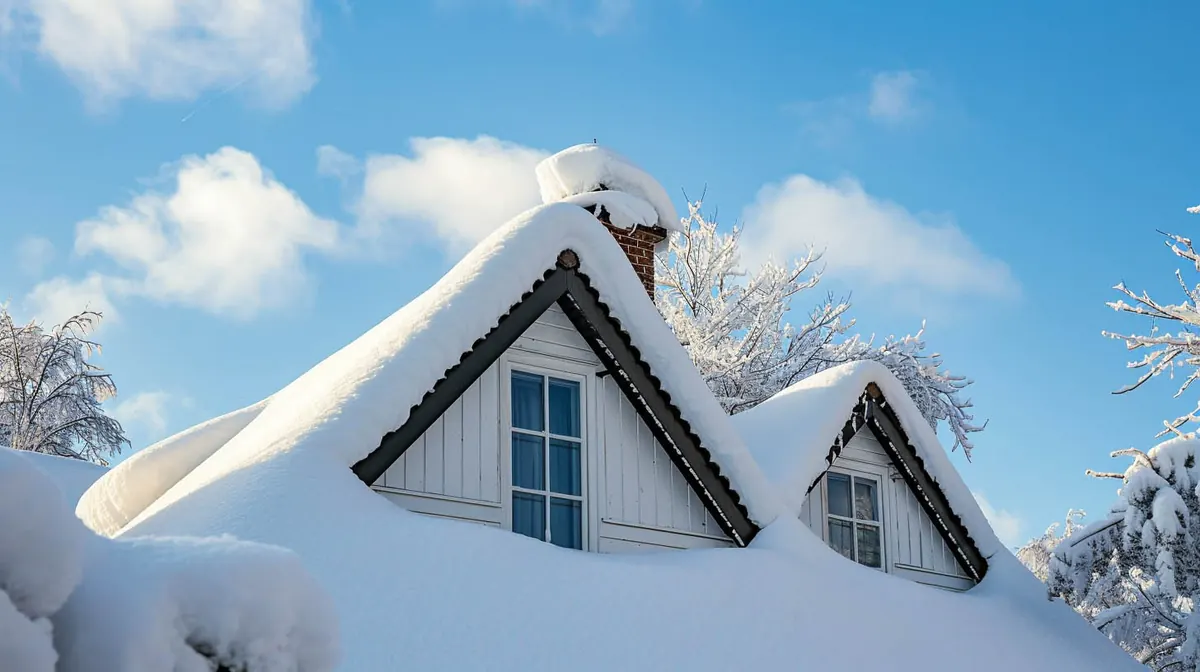
Winter Prep
Louisville winters swing above and below freezing, and that swing is what wears a roof down. A few jobs in fall, done before the first cold snap, keep the roof dry all winter.
Fall jobs
Work through these in fall, while the roof is dry and the days are still long. Each one is a small job, and together they cover the winter.
Scoop out the fall leaves and flush the downspouts, so water drains instead of freezing at the eaves.
Look for cracked sealant and lifted flashing at the chimney, valleys, and skylights, since those joints leak first in cold rain.
Search for fresh stains, damp insulation, and blocked soffit vents, since a damp attic is a warm attic.
Cut back any branch that overhangs the roof, since winter wind and ice turn it into a falling limb.
Look at the rubber boots around vent pipes for cracks, since a cracked boot is a leak waiting for winter rain.
The attic
The most important winter job is in the attic, not on the roof. Warm air leaking into the attic melts snow on the upper roof, and the meltwater refreezes at the cold eaves into an ice dam. Sealing the gaps around light fixtures, attic hatches, and ductwork slows the heat flow, and insulation on the attic floor slows it further.
Ventilation does the rest. Intake air through the soffits and exhaust through the ridge vent keep a slow flow of cold air moving under the deck, which sweeps the leaked heat out before it can melt the snow. A roof with blocked soffits holds the heat in, and the deck warms up even when the insulation is good. Attic ventilation in Louisville is the work that sets the balance right before winter.
Winter coming? Call and get the fall jobs done before the first freeze.
Call (502) 922-5047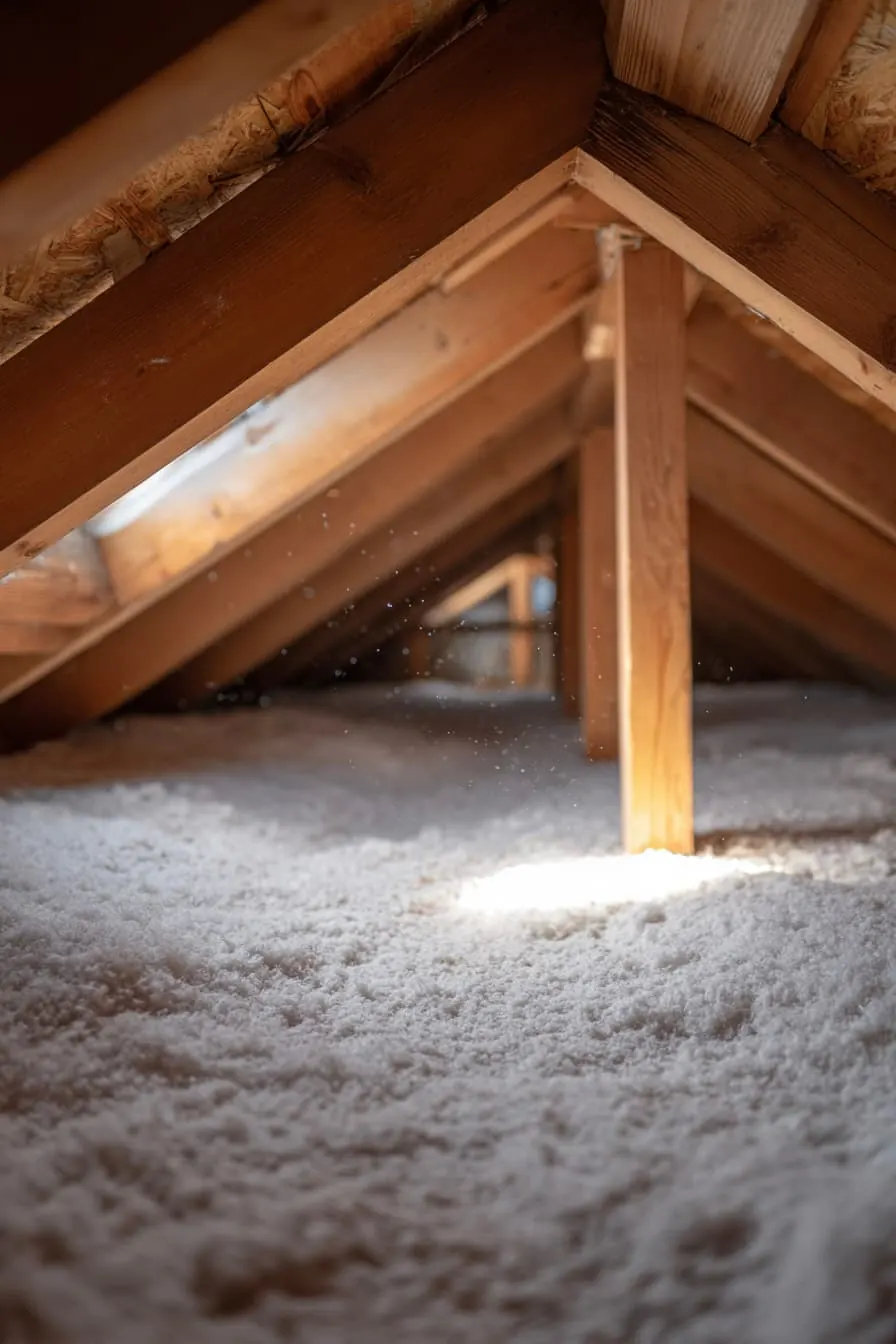
The edges
The eaves are where winter shows first. A gutter clogged with fall leaves holds water at the edge, and the first freeze turns it into a block of ice that pulls the gutter from the fascia. A clear gutter drains before the freeze, so the eaves stay dry, and the roof edge stays sound all winter.
The ice and water shield below the shingles is the backup at the edges. Laid during a reroof, it seals the eaves against backed-up water when a dam does form. It does not stop the dam, but it stops the water getting in, and on a Louisville roof it is the layer that earns its keep in January.
During winter
The fall jobs are done, and winter is here. Two signs during the season say the roof needs a look before spring.
The first is icicles that hang for days, with a ridge of ice behind them at the eaves. Small icicles after a light snow are common and harmless, but long, thick icicles that stay for days mean a dam is forming and the meltwater has nowhere to go. The second is a new stain on the ceiling after a thaw, which means backed-up water has found a path under the shingles.
If either shows up, call a roofer rather than working on the roof yourself. A dam is removed with steam, not with a hammer, and a leak in winter is traced from inside the attic, where the stains mark the water path. The fall prep keeps most winters quiet, and the winter watch catches the rest.
People also ask
Short answers on winter prep, and what to check before the cold sets in.
In fall, before the first cold snap, while the roof is dry and the days are still long. Clear the gutters, check the flashing, look inside the attic, and trim the limbs over the roof. The jobs are small in fall, and they are the ones that keep the roof dry all winter.
Yes. A gutter clogged with fall leaves holds water at the eaves, and the first freeze turns it into a block of ice that pulls the gutter from the fascia. A clear gutter drains before the freeze, so the eaves stay dry and the roof edge stays sound all winter.
Keep the attic cold. Seal the gaps where warm house air rises into it, add insulation to the attic floor, and make sure the soffit vents are open so cold air moves under the deck. A cold roof holds its snow still, and still snow never melts into a dam at the eaves.
Want the fall jobs handled before the cold? Call and book the winter prep.
Call (502) 922-5047Frequently asked questions
Clear the gutters and downspouts, check the flashing at the chimney and valleys, look inside the attic for stains and blocked vents, and trim limbs over the roof. Seal the air leaks into the attic and keep the soffit vents open, so the roof stays cold and the snow stays still.
Only the lower few feet, and only with a roof rake from the ground. Climbing on a snowy roof is dangerous, and raking the whole slope scrapes granules off the shingles. The lower edge is where the dam forms, so that is the part that matters, and the attic work is the lasting fix.
It turns on the roof. A roof that is leaking or near the end of its run should not wait, since winter rain and freeze and thaw widen every opening. A sound roof with a season left in it can wait for spring, when the weather is steadier and the tear-off and the dry-in happen in one stretch.
Louisville snow is usually light and melts fast, so snow load is rarely the worry here. The worry is the freeze-thaw cycle and the ice dams that follow it, not the weight of the snow itself. A roof that is sound and vented handles a Louisville snowfall without trouble.
A clogged gutter holds water at the eaves, and the first freeze turns it into ice. The ice blocks the trough, and the next thaw spills water over the edge and back onto the fascia. Clearing the gutters before winter and keeping the attic cold are the two fixes that keep them draining.
Fall, before the first cold snap, is the best time for the full prep. During winter, a look after any big snow or thaw catches a dam while it is still small. In spring, the check finds the damage winter left behind, before the storm season starts.
Keep reading
For the dam itself, read ice dams on Louisville roofs: why they form and how to stop them, and for the cycle that wears the roof down, read how freeze-thaw winters wear down a Louisville roof.
Call and we will clear the gutters, check the flashing and the attic, and get the roof ready before the first freeze.