Call (502) 922-5047
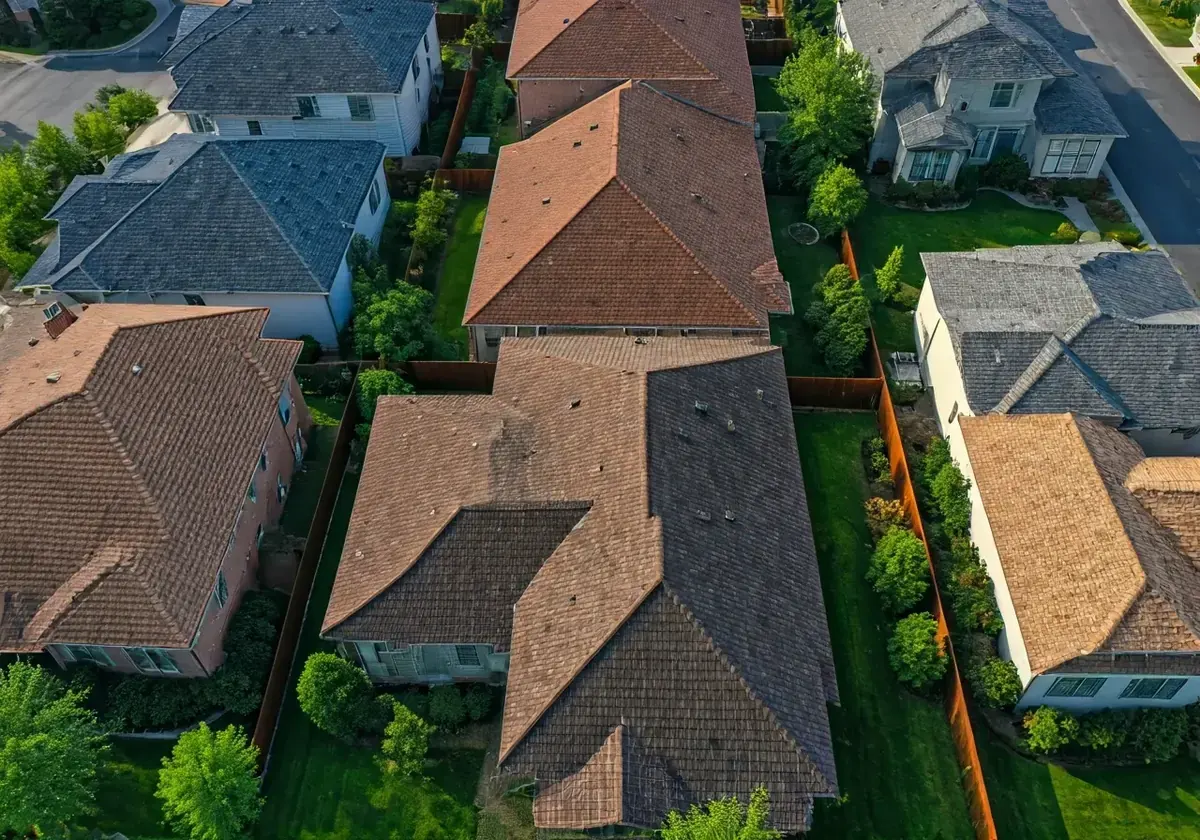
Louisville neighborhood rooftops with pitched shingle roofs under afternoon sun

Roof Lifespan

How long does a roof last in Louisville?

A roof in Louisville faces humid summers, spring hail, and winters that freeze and thaw in the same week. Those three seasons set the clock, and the material you choose sets how long the roof runs against it.

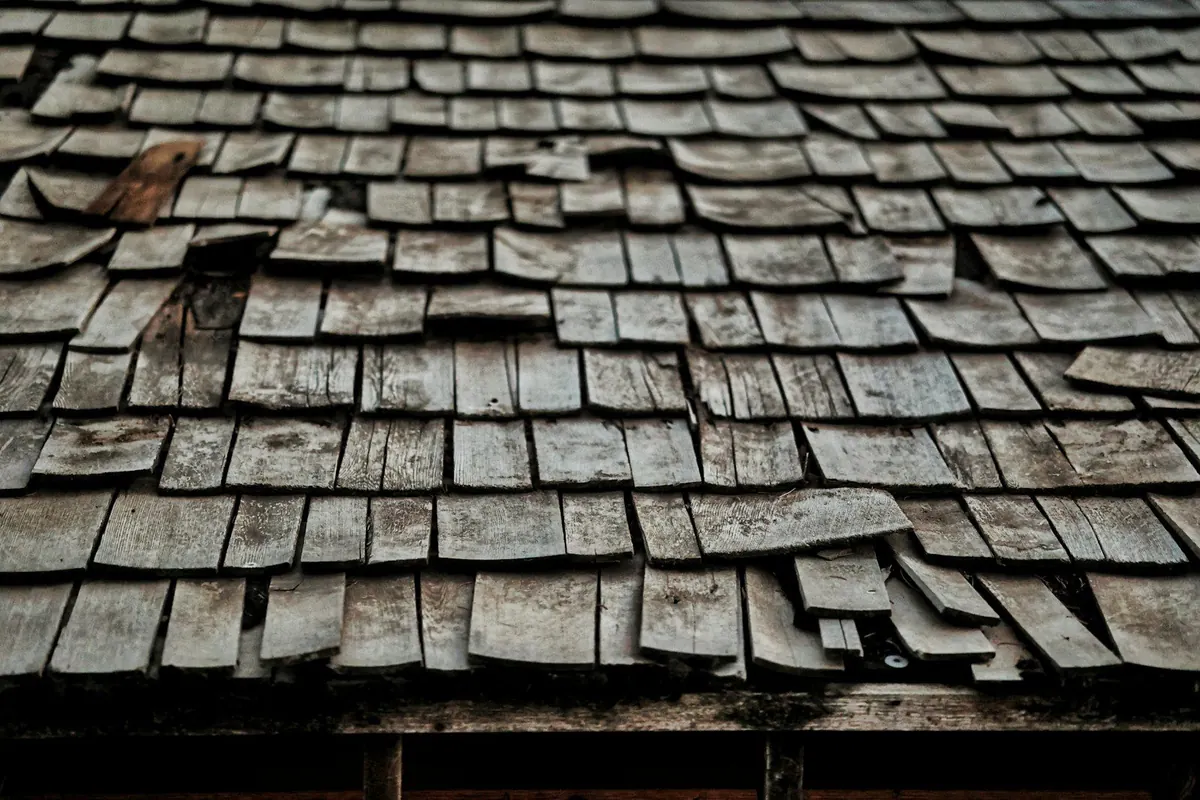
Old weathered asphalt shingles with granule loss and curled edges
Granule loss in the gutters is the first sign a shingle roof is aging fast.

The baseline

Shingle roofs set the baseline for Louisville

Architectural shingles are the most common roof on Louisville homes, and they often last about 20 to 30 years here. That range is wide because the roof around the shingles matters as much as the shingles themselves. A well vented attic keeps the shingles cooler in summer and drier in winter, and a roof with good ventilation can run years longer than the same shingles over a sealed, damp attic.

Three-tab shingles run shorter, often about 15 to 20 years, since their thinner tabs lift sooner in high wind and shed granules faster. They still suit simple roofs, but they ask for a closer watch as they age. The first signs of age are the same on both: granules washing into the gutters, edges curling up, and tabs that lift in the wind instead of lying flat.

Slope plays a part too. A steep slope sheds rain and hail fast, while a low slope holds water longer and wears the surface harder. A south-facing slope takes the most sun and ages first, which is why one side of a Louisville roof can look tired while the other still looks new. When you judge a roof, judge it slope by slope, not as one age.
By material

How long each roof material usually lasts here

These are the lifespans we see on Louisville homes, with the local weather already factored in. Ventilation and upkeep move a roof up or down inside each range.

Typical roof lifespans in Louisville by material
MaterialUsual lifespanWhat wears it down first
Architectural shinglesAbout 20 to 30 yearsGranule loss, hail bruising, heat in a sealed attic
Three-tab shinglesAbout 15 to 20 yearsThin tabs lifting in wind, faster granule loss
Standing seam metal40 years or moreFlashing wear at joints, dents from large hail
Natural slateFor decadesCracked slates, flashing wear, heavy weight on the structure
Clay and concrete tile50 years or moreCracked tiles from hail, underlayment aging below
Flat roof membraneAbout 20 to 30 yearsStanding water at seams, punctures, sun on the surface

Scroll sideways to see the full table.

Wondering where your roof sits in its run? Call and get it checked slope by slope.

Call (502) 922-5047
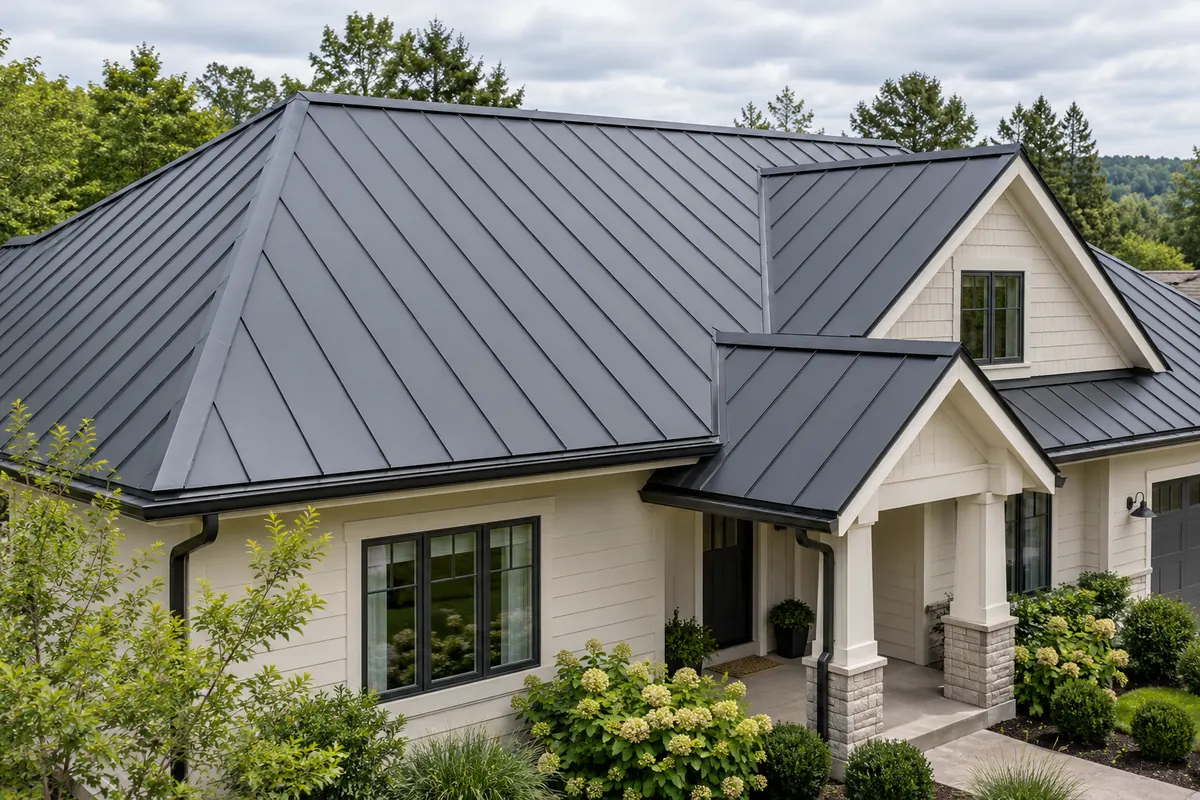
Standing seam metal roof on a house exterior in warm light
Metal sheds rain and hail fast, and it often runs 40 years or more on a Louisville home.

Louisville weather

Freeze and thaw, hail, and humidity all take years off

Louisville winters swing above and below freezing in the same week, and each swing works water into small gaps around nails and flashing, then widens them as the water turns to ice. Over years, that cycle loosens flashing, cracks shingles, and opens joints that were tight when the roof went on. Spring hail adds bruises that strip granules, and humid summers keep attics damp when the ventilation is weak.

The roof that lasts longest here is the one that breathes. Intake air through the soffits and exhaust through the ridge vent keep the attic near the outside temperature, which slows the heat damage in summer and the moisture damage in winter. A roof over a damp attic wears out much sooner than the same roof over a dry one, and the difference shows first as curled shingles and stained decking. Roof maintenance in Louisville catches those signs early, while they are still small.

Making it last

What stretches a roof, and what shortens it

Three habits add years to a Louisville roof, and three mistakes take them away. None of them needs a new roof, only attention at the right time.

A yearly look from the ground after the spring storm season catches lifted shingles and dented flashing while they are still small fixes. Clearing the gutters before winter keeps water from backing up under the eaves, and keeping tree limbs off the roof stops the slow scraping that wears granules away. These small habits matter more than any single product choice, because most roofs fail from small trouble left alone, not from one big event.

The mistakes are just as plain. Ignoring a ceiling stain until it grows means the leak has been soaking the deck for months. Roofing over old shingles hides the deck and traps moisture between the layers. And sealing the attic tight without ventilation cooks the shingles from below in summer, which is why a roof can look old at twelve years while a neighbor's roof the same age still looks new.

When to start planning a replacement

Start planning when the roof is past the middle of its usual run and the signs are gathering: granules in the gutters, curling on more than one slope, and a repair already done on the same roof. Planning early means choosing the material and the timing on your own schedule, instead of choosing in a hurry after a leak. A roof replacement in Louisville planned a season ahead is a calmer job than one forced by a storm.

People also ask

Still wondering about roof lifespan?

Short answers on roof lifespan, and what wears each material down.

How long does a metal roof last in Louisville?

A standing seam metal roof often lasts 40 years or more in Louisville, since metal sheds rain and hail fast and dries quickly in humid summers. The panels themselves outlast the flashing at the joints, so the flashing and the fasteners are what a roofer checks most on an older metal roof.

Does attic ventilation really change how long a roof lasts?

Yes, and more than most homeowners expect. A vented attic stays near the outside temperature, which keeps shingles from cooking in summer and keeps moisture from condensing on the deck in winter. A sealed attic can age a roof years faster than the same roof over a vented one.

How long does a flat roof last in Louisville?

A flat roof membrane often lasts about 20 to 30 years here, and its life turns on drainage. Standing water at seams and drains wears the membrane down, so a flat roof that drains well and gets its seams checked each year runs longer than one that ponds after every rain.

Want a straight read on your own roof? Call and ask for a look.

Call (502) 922-5047

Frequently asked questions

Answers to the roof lifespan questions we hear most

They often show it after about 20 to 30 years here. The range turns on ventilation, slope, and storm exposure: a well vented steep roof on a shaded street runs longer than a low slope over a sealed attic. Granule loss and curling are the signs that a shingle roof is moving into its later years.

Yes, in small ways. A shaded north slope ages slower than a south slope in full sun, and a house under heavy tree cover faces more moss and limb wear. The bigger differences come from the roof itself: ventilation, slope, and how the flashing was done matter more than the street.

Trapped attic moisture shortens it most, since it cooks shingles in summer and condenses on the deck in winter. After that come hail bruises, which strip granules, and freeze and thaw cycles, which open gaps around nails and flashing. All three are worse on a roof that is never looked at.

Yes, because most roof failures start small: a lifted shingle, a cracked pipe boot, a clogged gutter. Catching those early keeps water out of the deck, and a dry deck holds nails and shingles for years longer. A yearly check and a gutter cleaning before winter are the two habits that matter most.

Look for the signs gathering together: granules filling the gutters, curling across more than one slope, tabs lifting in the wind, and a repair already done on the same roof. One sign alone may mean a fix. Several together mean the roof is near the end of its run, and it is time to plan.

It often does, since the new roof goes on a checked deck with new underlayment, new flashing, and balanced ventilation. The old roof may have been laid over hidden trouble. A replacement that fixes the base and the breathing gives the new shingles a better start than the old ones had.

Slate suits steep historic roofs, such as the Victorians in Old Louisville, and it often lasts for decades. It needs a strong structure to carry its weight and skilled hands to lay it, so it fits homes built for it. On a standard ranch or two-story home, shingles or metal are the more practical choice.

Keep reading

Read next: the repair decision and the written scope

If your roof is aging, read roof repair or roof replacement: how Louisville homeowners decide to see which path fits, then how to read a roofing quote so the written scope makes sense when the time comes. Roof maintenance in Louisville covers the yearly habits that stretch a roof.

How old is your Louisville roof, really?

Age is only part of the story. Call and we will check the shingles, the deck, and the attic, and tell you where your roof stands.