Call (502) 922-5047
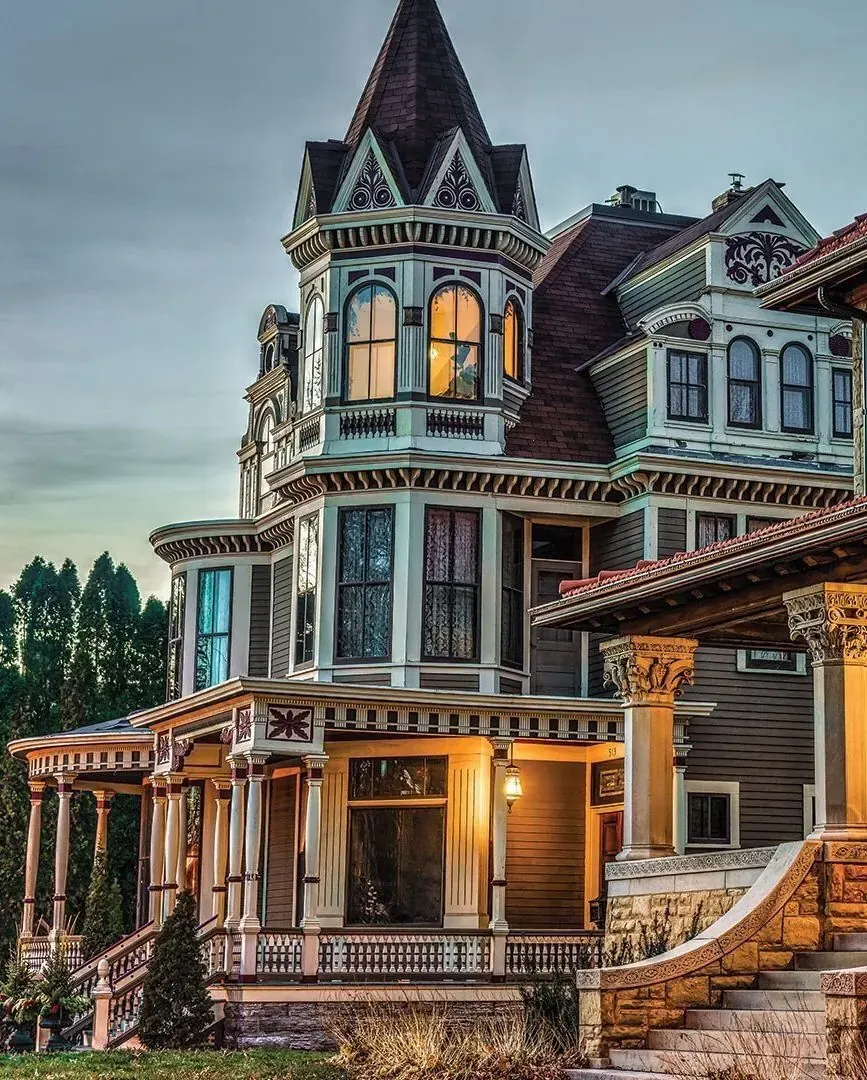
Victorian house in Old Louisville with a steep slate roof and tall chimneys

Victorian Roofs

Slate and tile roofs on Old Louisville Victorians

The steep roofs of Old Louisville have stood for more than a century, and slate and tile are the reason. They age slowly and fail slowly, but when they do need work, they need hands that know the material.

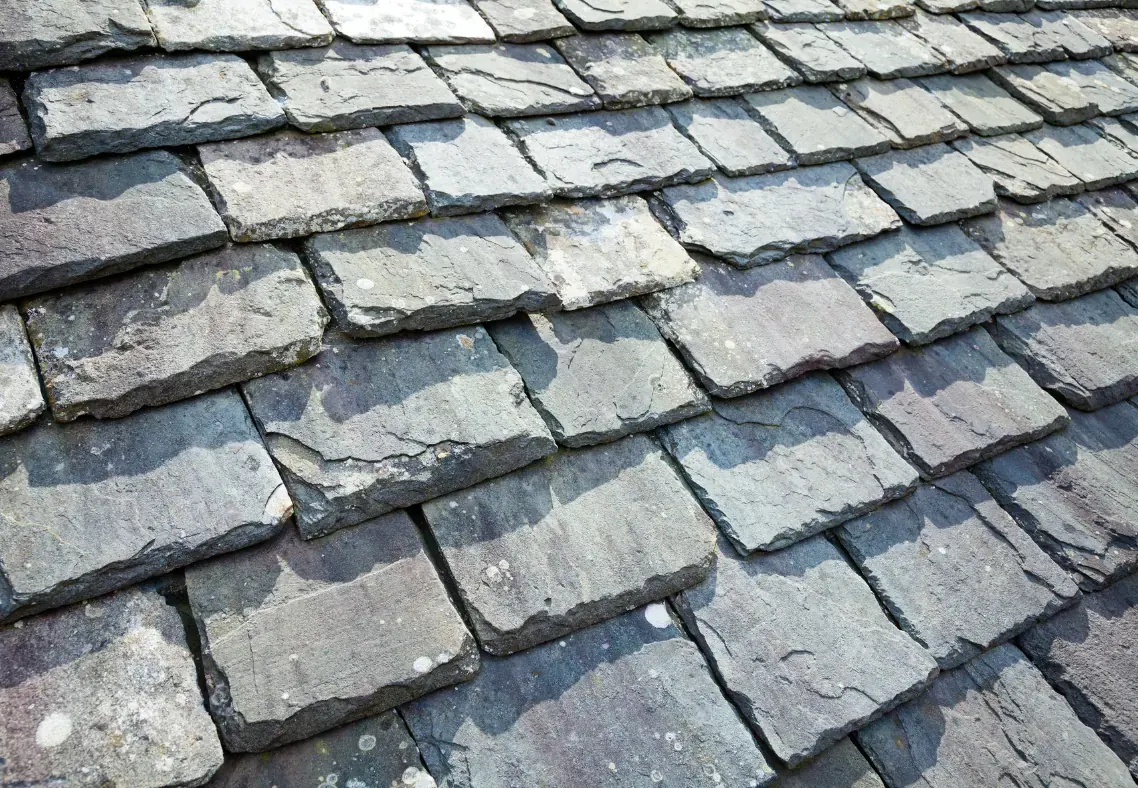
Natural slate roof tiles close-up with varied gray tones
Each slate is hung on its own nail, so one cracked slate can be swapped without touching the rest.

The material

Slate outlasts the house around it

Natural slate is stone, cut thin and hung on the roof one piece at a time, and it can serve for decades. A slate roof laid on an Old Louisville Victorian in the 1890s can still be the original roof today, with the same slates that saw the first owners move in. The stone does not rot, it does not burn, and it shrugs off hail that would bruise a shingle roof.

The slate itself is rarely the problem. The flashing around it is. Slate roofs are laid with copper or lead flashing at the valleys, the chimneys, and the ridges, and that metal wears over the decades while the slate stays sound. A slate roof that leaks usually leaks at the flashing, not through the stone, and the repair is metalwork, not stonework.

The weight is the other fact to respect. Slate is heavy, and a Victorian was built to carry it, with strong rafters and a steep pitch that sheds water fast. A slate roof swapped for a lighter material changes the look of the house and the way the roofline sits, which is why a slate repair keeps the slate where the slate is sound. Slate, tile, and specialty roofing in Louisville covers the repair and the replacement of these roofs.
Materials

Slate, tile, and their modern cousins

Four materials cover the steep roofs of Old Louisville. Each one has its own lifespan and its own way of being repaired.

Slate and tile materials on Old Louisville Victorians
MaterialUsual lifespanRepair style
Natural slateFor decadesOne slate at a time, copper flashing
Clay tile50 years or moreOne tile at a time, careful footwork
Concrete tile50 years or moreOne tile at a time, heavier than clay
Synthetic slate40 to 50 yearsLighter, nailed like shingles, easier to walk

Scroll sideways to see the full table.

Slate or tile roof on your Victorian? Call and get it looked at by hands that know it.

Call (502) 922-5047
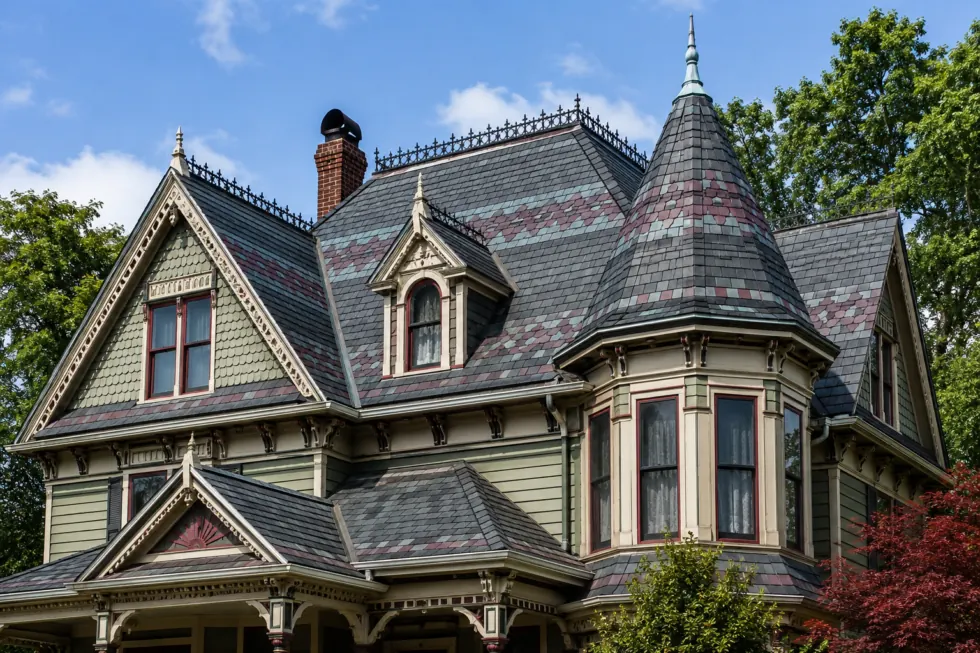
Historic Victorian house exterior with steep slate roof in Old Louisville
A steep pitch sheds rain and snow fast, and it is why these roofs last so long.

Steep pitch

Steep pitches and snow guards

A Victorian roof is steep for a reason. The pitch sheds rain and snow fast, so water never sits on the surface, and the slates dry within minutes of a storm. That fast drying is why a slate roof lasts so long: the stone is rarely wet, and the flashing below it dries too. The same steep pitch makes the roof hard to walk, and a roofer works from staging and roof brackets, not from the slope itself.

Snow guards are the small metal pieces that hold snow on the roof in winter, letting it melt slowly instead of sliding off in a sheet. On a steep slate roof, a sliding sheet of snow can tear off gutters and hurt anyone below, so the guards are part of the roof, not an addition. A slate roof without guards is a roof that drops its snow all at once, and the gutters below it take the damage.

Repairing one

How a slate roof is repaired

A slate repair is slow, careful work, and it is the opposite of a shingle repair. The slates are not lifted in rows, they are swapped one at a time.

A roofer finds the cracked or slipped slates from the ground with binoculars, then works from staging to reach them. Each slate is hung on its own nail, so a cracked slate is lifted out, a new one is slid in, and the nail is set without disturbing the slates around it. The work is quiet and unhurried, and a good slate roofer can swap a dozen slates in a day without breaking another one.

The flashing is the slower job. Copper flashing at the valleys and chimneys is bent by hand and laid in layers, and it has to be done right the first time, since a slate roof is not lifted again for decades. A roofer who works with slate knows the metal as well as the stone, and the two together are what make the roof last another lifetime.

People also ask

What comes up most about slate and tile Victorians

Short answers on slate and tile roofs on Old Louisville Victorians.

Is slate roofing right for an Old Louisville Victorian?

Yes, it is the material the house was built for. Slate suits the steep pitch, the heavy structure, and the historic look, and it often lasts for decades. A slate repair keeps the original material where it is sound, and a replacement in slate keeps the house looking as it was built to look.

How long does a slate roof last in Louisville?

A natural slate roof often lasts for decades here, and many Old Louisville roofs are still on their original slates. The flashing around the slate wears faster than the stone, so the leaks on an old slate roof usually start at the valleys and chimneys, not through the slates themselves.

Clay tile or concrete tile: which is better in Louisville?

Clay tile is lighter and holds its color, while concrete tile is heavier and tougher against hail. Both suit steep pitches and last 50 years or more. The choice turns on the structure below, since the roof has to carry the weight, and on the look of the house, since the two read differently from the street.

Want a straight read on your slate or tile roof? Call and ask for a look.

Call (502) 922-5047

Frequently asked questions

Your slate and tile Victorians questions, answered

It can usually be repaired one slate at a time, since each slate is hung on its own nail. A cracked or slipped slate is lifted out and a new one slid in, without disturbing the rest. A replacement comes into the picture only when the slates are failing across the whole roof or the deck below is soft.

The leak is usually at the flashing, not through the stone. Copper flashing at the valleys, chimneys, and ridges wears over the decades while the slate stays sound, and the water finds the worn metal. A slate roof that leaks needs a roofer who works with both the stone and the metal.

Natural slate is stone, with varied thickness and a cool, uneven surface, while synthetic slate is a molded product with a regular thickness and a warmer feel. A roofer reads the edges and the nails to tell them apart. The repair differs too, since synthetic slate is nailed more like shingles.

Yes, on a steep pitch. Snow guards hold the snow on the roof so it melts slowly, instead of sliding off in a sheet that can tear off gutters and hurt anyone below. A steep slate roof without guards drops its snow all at once, and the gutters below it take the damage.

No, not without training and staging. Slate cracks underfoot, and a single wrong step can break several slates. A roofer works from staging and roof brackets, and never walks the slope itself. If workmen need access, they should use the same staging, not the slates.

The roofer finds the cracked slates from the ground, works from staging, and swaps each broken slate one at a time, setting the nail without disturbing the neighbors. The flashing at the valleys and chimneys is checked at the same time, since that is where most slate roof leaks start.

Keep reading

Read next: flat sections and the long view

Victorians are not the only historic roofs in Louisville. Read flat roofs on Highlands bungalows for the other old housing stock, and how long a roof lasts in Louisville for the lifespan picture.

Slate or tile roof in Old Louisville?

Call and we will look at the slates, the flashing, and the deck, and tell you plainly what the roof needs.